Medically Reviewed by: Dr. Peter Scheid, M.D. — Board-Certified Addiction Medicine Specialist | Harbor Detox Clinical Advisory Team
If you have ever typed rehab near me into Google in the middle of the night, then you already know that the list of results is like a stream of repetitive content with pictures, promises, and the same few buzz phrases. Thus, it becomes obvious that one can ask: why is it that Orange County is one of the best places for recovering from addiction in the country? There is more than the ocean views (though they are certainly helpful). It’s about a specific combination of licensed clinical practice, small personal treatment, and a healing environment. In this guide, it will be shown what distinguishes rehab programs in Orange County and what to take into consideration when making your choice.
1. The Setting Actually Supports the Science

The phenomenon of so many rehabilitation facilities being located on the Southern Californian coastline can be explained by the evidence that supports the importance of environment in the early part of recovery. Since treatment outcomes have shown that environment impacts a patient’s positive recovery it implies that a healthy and friendly atmosphere, together with the absence of triggers will facilitate emotional healing and stabilization of the body. As an example Orange County provides optimum conditions for recovery with the combination of quiet suburbs, closeness to the coastline and a warm climate that allows for the treatment to go outdoors.
However, one should not think that pleasant surroundings can substitute for clinical treatment, but rather serve as an integral part of the rehabilitation process.
2. Boutique Models Over Assembly-Line Treatment
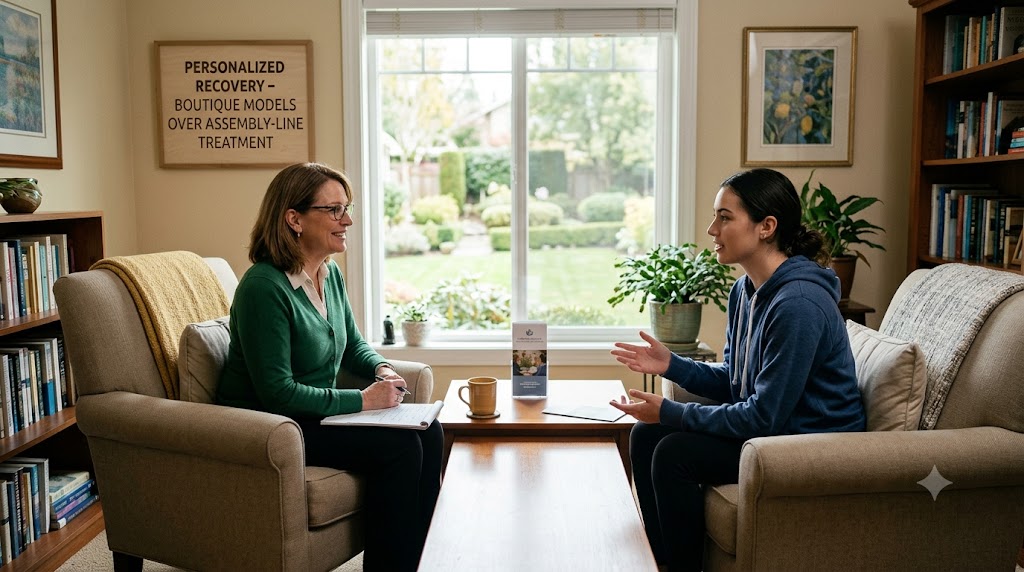
Many big treatment chain companies run their business based on the concept of volume; they operate with high census numbers, high client-to-staff ratios, and a standardized model of treatment services which are similar for all customers. In contrast, Orange County became known for the implementation of the boutique model of treatment which involves the idea of small residential centers, a low number of clients, and personalized treatment programs according to the substance abuse history of an individual, co-existing conditions and other factors.
3. Evidence-Based Therapy, Not Just Talk Therapy
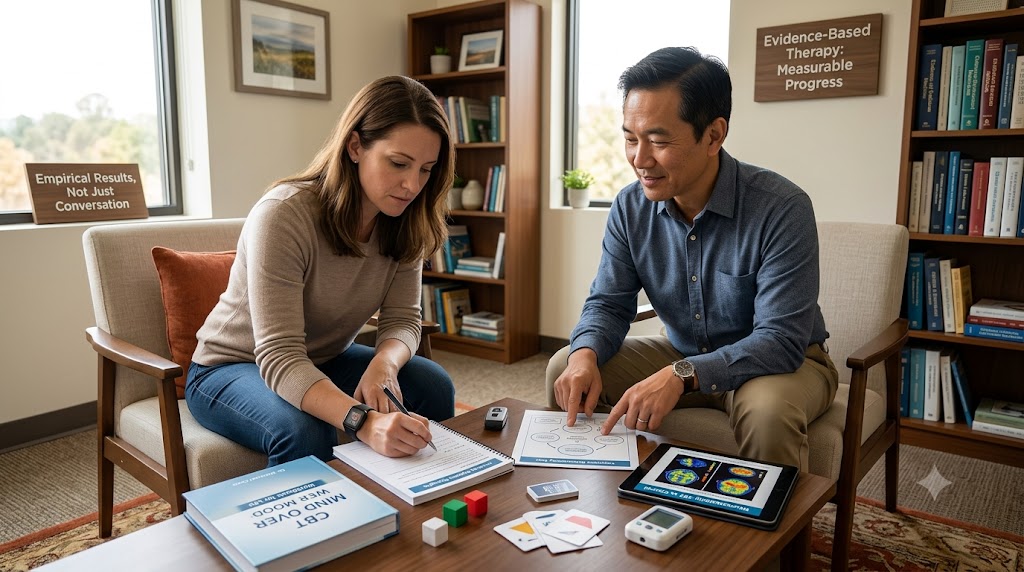
Reach out to any reliable program in Orange County about the actual activities included on a treatment day, and they would be able to give you results, which include: cognitive behaviour therapy (CBT), dialectical behaviour therapy (DBT), motivational interviewing, individual therapy, family therapy, and relapse prevention. Also, it is important to highlight that besides clinical therapy, many programs have found a way to add medication-assisted treatment (MAT) since they use existing FDA-approved medications, which help manage cravings and withdrawal symptoms.
4. Dual Diagnosis Is the Rule, Not the Exception

Substance use disorders rarely occur by themselves. They are usually associated with anxiety, depression, PTSD, and trauma, and addiction treatment will be ineffective if the underlying causes are not addressed. The more advanced programs in Orange County rely on dual diagnosis, whereby mental health conditions are diagnosed together with substance use disorder and treated with the help of licensed therapists and psychiatric care.
5. Licensing, Accreditation, and Real Medical Oversight
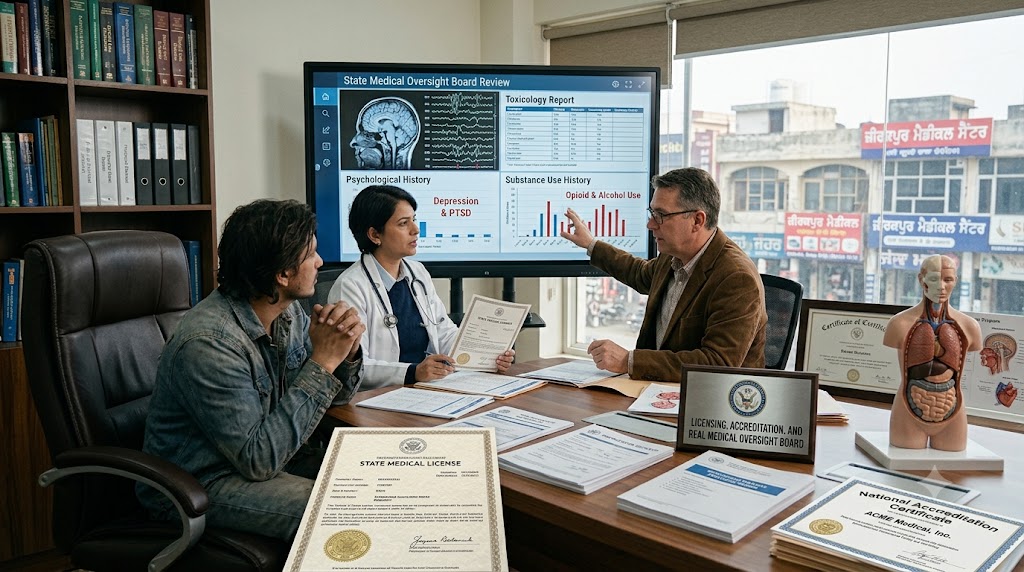
This is the part that is often overlooked, however, it is probably the most important part. An Orange County rehabilitation center must have:
- Licenses from the California Department of Health Care Services
- Accreditation from a recognized board (for example, The Joint Commission)
- 24-hour medical detoxification supervised by qualified medical professionals
- Certification of the staff — not only of life coaches but also of qualified specialists, therapists, doctors, and nurses.
If a treatment center cannot provide you with a full certification of its competency, look for another place, regardless of how pleasant its websites might be
6. Aftercare Isn’t an Afterthought
Discharge is not the end of recovery, and thus the best programs in Orange County are based on that notion. Such top programs have a well-structured aftercare plan that includes a sober living arrangement along with various other components, like alumni program, as well as outpatient programs designed to offer continued support while still in the program. Facilities that consider aftercare to be an integral part of treatment usually see more graduates staying sober after graduation.
7. Insurance and Cost Transparency
Money is one of the main obstacles to getting treatment and it need not be so. Reputable treatment centers check your insurance coverage before you agree to anything, explain the things covered under your insurance and will tell you what private-pay options you have. If there is not much clarity about costs, insurance checks, and payment methods, consider this a warning sign.
The Numbers Behind the Need
It is important to understand the extent of the treatment gap in order to understand the importance of selecting the right program as opposed to merely selecting any program. The latest National Survey on Drug Use and Health by SAMHSA has shown that over 48.4 million people aged 12 years and older had a substance use disorder in the past year, and only one in five of them received treatment. The following three factors are cited as the main reasons that prevent people from seeking treatment: cost, stigma, and lack of information about the treatment programs.
| Statistic | 2024 National Data |
|---|---|
| Individuals with substance abuse issues in the past year | 48.4 million |
| Individuals who required treatment but were not able to obtain it | 80% |
| Individuals who were treated for substance abuse issues | 19.3% of individuals who required treatment |
| Individuals suffering from mental disorders and substance abuse | 21.2 million |
| Adult patients suffering from a substance abuse issue but who have not received any treatment | 41.2% |
This gap points to the need for heavy investment in reliable methods before making a choice.
Frequently Asked Questions
1. What makes Orange County different from rehab programs in other states?
The answer lies in the fact that licensing standards, combined with a boutique-style approach, mean that therapists have a small number of clients and provide more personalized care to them, as well as a coastal environment which creates a less stressful atmosphere for early recovery. In addition, many programs also involve the addition of holistic therapies to traditional evidence-based treatment.
2. Are Orange County recovery programs more expensive than programs elsewhere?
Cost may differ greatly depending on the facility, how much care is required, and how long one plans to stay. Most rehabilitation programs found in Orange County accept private insurances and quality facilities will help their prospective patients obtain information about their insurance benefits before they enter into any agreement.
3. What’s the difference between detox and residential treatment?
Detoxification refers to a process which involves the management of the withdrawal process and the clearing of substances from the body in a safe manner. Treatment which takes place within a residential setting is done after detoxification or may also include detoxification.
4. Do Orange County programs treat mental health conditions alongside addiction?
In fact, a majority of them are going through dual diagnosis treatment, which is designed to treat both substance use disorder and concurrent disorders such as depression, anxiety or post-traumatic stress disorder at once.
5. How long does a typical residential program last?
The amount of time one stays in the program will depend a lot on their personal needs and medical history, but residential treatment centers typically take anywhere from 30 to 90 days, with longer or shorter stays depending on specific recommendations from medical professionals.
6. Is medication-assisted treatment (MAT) available in Orange County programs?
Yes, multiple facilities offer MAT treatment through the use of FDA-approved medicines to treat opioid and alcohol addiction along with counselling and therapy.
7. What should I look for to confirm a program is legitimate?
Look for state licensing, third party accreditation from a body like The Joint Commission, licensed medical staff and 24-hour supervision during detox.
8. Can professionals or executives get discreet treatment while working?
Yes, there are some facilities in Orange County that offer discreet and private treatment for working professionals.
Final Thoughts
The decision of where to obtain treatment is among the most important choices that a person makes in their own recovery — and Orange County has built up its reputation by combining true clinical expertise with a healing environment. The best programs are not those with the most lavish trappings but the combination of qualified medical supervision, personalized treatment, integrated diagnosis and aftercare. Harbor Detox was founded upon that principle, offering scientific methods, boutique treatment and a friendly atmosphere in Dana Point for people who want change.
Contact Harbor Detox
Company name – Harbor Detox
Address – 24832 La Paz Ave Suite A Dana Point, CA 92629
Phone – (888) 793-8002
Email – info@harbordetox.com