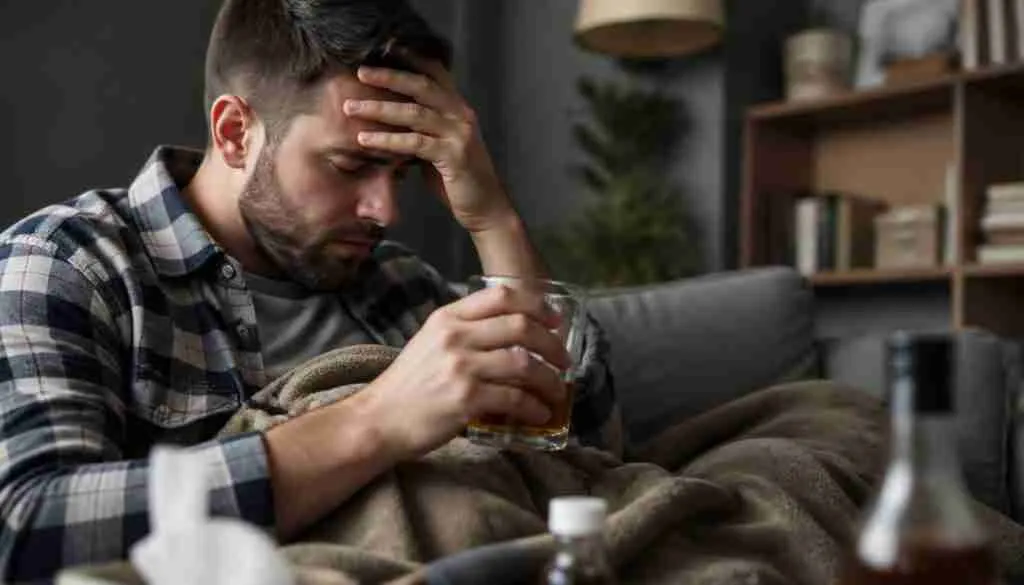
It’s one of the most difficult, bravest, most life-changing decisions a person can make. And once you’ve decided to begin, the first thing you probably want to know: Can you just do it from your living room couch? No appointments, no big scary hospital bracelets, no awkward conversations. Maybe you’ve tried cutting back before, or maybe you know someone who “just quit cold turkey” and was okay.
Sounds simple enough, right? Well, here’s the thing: That is one of the few drugs where home detoxification can actually be dangerous instead of merely uncomfortable. That might be news to you, but it’s true. So, before you empty out the bottle of whiskey, strap on your brave face, and prepare yourself for a week of malaise, let’s walk through the process of alcohol withdrawal, when you shouldn’t go it alone, and how we can make the process easier and safer for you.
So, here in this blog, we give you proper information about whether you can detox from alcohol at home. What makes medical detox safer.
What Actually Happens to Your Body When You Stop Drinking
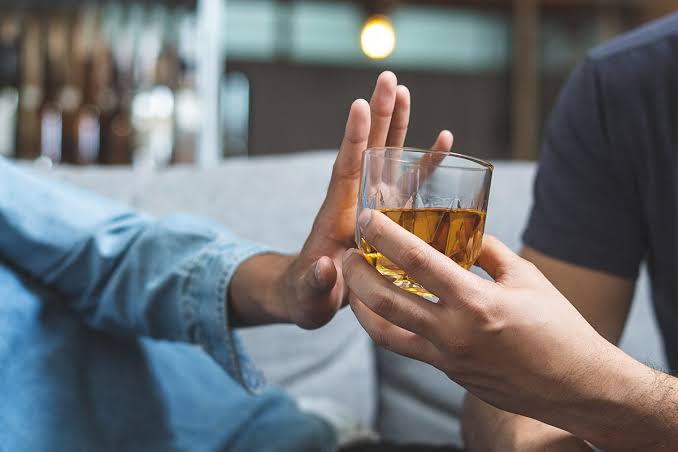
Alcohol is a depressant, which means it takes your central nervous system out of gear. Heavy prolonged drinking causes your brain to go into hyper-drive to remain conscious, turning up its excitatory activity to adapt to the consistent sedation.
If you all of a sudden hit the brakes, it has no place to go. Your nervous system goes into overdrive. That’s what we call withdrawal. Symptoms may present as early as six hours after the last time you’ve had a drink and may include:
- Anxiety, irritability, and restlessness
- Sweating, shaking, and a racing heart
- Nausea and vomiting
- Headaches and trouble sleeping
For some they remain mild. For others they worsen rapidly and without warning.
Why Detoxing From Alcohol at Home Can Be Dangerous
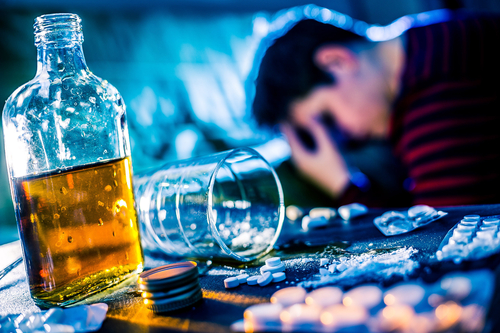
The main issue with home detox is that no one can guarantee the severity of your withdrawal symptoms. Two alcoholics who drink exactly the same amount of alcohol could experience very different symptoms of withdrawal. One of the most dangerous complications of heavy alcohol withdrawal is seizures which can happen as early as 24 hours after the last drink, and Delirium Tremens (DTs) which include confusion, hallucinations, fever, and dangerous fluctuations in blood pressure and heart rate.
And at home, you’re on your own if something happens. It can be hard to know that you are having an emergency, and a seizure can cause injury if no one is around. Dehydration, electrolyte imbalances, and stress to the heart can all develop while you are not aware of it.
There’s nothing quite like those intense cravings, and that return to drinking can also be triggered by simply making the symptoms end. Trying to do it alone can be beyond draining and even turn people off from detoxing again in the future.
Warning Signs You Should Not Detox From Alcohol Alone
Home detox can be especially dangerous in certain situations. You should get medical assistance if any of these are true:
- You consume alcohol in large quantities on a daily basis, or have been drinking for months or even years.
- You’ve experienced withdrawal before (e.g., seizure or hallucination)
- You have a history of DTs
- You have an underlying medical condition that could worsen from having the condition, for example: Heart disease, Liver problems, or Diabetes
- You’re also on other drugs or taking sedating drugs
- You experience anxiety, depression or other mental health issues
- You have uncontrollable shaking, confusion or vomiting
If you’re unsure, it’s always best to check with your healthcare provider before you stop drinking.
How Medical Detox Makes Alcohol Withdrawal Safer
Medical detox isn’t punishment. It’s not the hospital version of cold and impersonal. It’s having professionals by your side as your body gets back to normal. Here’s what’s different about it.
- 24/7 observation: Your vital signs, hydration, and symptoms are monitored by nurses and doctors around the clock, making sure any change is detected before it becomes an emergency.
- Medical help: Your doctor may give you some drugs – usually benzodiazepines – that can help to slow down the nerves that are working overtime, reduce your risk of DTs and seizures, and relieve some of the symptoms. Other drugs can make you sleep and relieve nausea and anxiety.
- Address underlying problems: Withdrawal may aggravate any existing health issues. Your medical team can oversee any of these that you may have along with your detox, such as nutritional deficits or low thiamine (often seen in heavy drinkers).
- Emotional and psychological support: Quitting can be overwhelming. The presence of supportive healthcare professionals ensures your safety and reduces the chances of relapsing during the tough times.
- A bridge to continued care: While detox removes alcohol from your system, detox is not a cure. A medical detox gives you a safe environment to plan future treatment, including residential or outpatient care, therapy, counseling, or attending meetings or a support group.
Is Home Detox Ever an Option?
People with very mild dependence might be able to cut back alcohol consumption safely with the help of their doctor. However, that’s a decision you should make with your doctor and not on your own or from online advice. And it requires a plan, someone to check in with, and immediate access to emergency care. Never try to do this “because I’m not that bad” without a doctor’s input.
Taking the First Step Toward Safe Recovery With Harbor Detox
Despite your desire to quit drinking, you don’t need to take on alcohol withdrawal by yourself. You may be tempted to tough it out at home, but what home has to offer is nothing compared to the safety, comfort, and expert supervision of medical detox.
You or your loved one is ready to quit drinking. Harbor Detox is ready to help you get started drinking again with supervision and real support. Asking for help is a sign of strength. It is the best first step you can take toward a sober lifestyle.
Frequently Asked Questions About Alcohol Detox
Can I really detox from alcohol at home on my own?
It varies depending on how heavy and how long you’ve been drinking and this is precisely why it’s complicated. For those with very mild dependence, a doctor might be able to offer a supervised at-home plan. But with heavy or daily drinking, quitting alone is not wise since the withdrawal can be unpredictable so the best choice is to get tested first.
How do I know if my withdrawal will be severe?
To be honest, you just never know, and that’s what can get really scary. Previous alcohol withdrawal experience, the length of time you’ve been drinking, your general health, other medications- everything makes a difference. If you ever experienced seizures, hallucinations, or really severe tremors when you previously stopped, treat that as a “do not try this at home” situation.
How soon do withdrawal symptoms start, and how long do they last?
It takes at least six hours after your last drink for symptoms to start. They will likely be at their worst between 24 and 72 hours, with most symptoms ending within a week or so. Some, like sleep and mood problems, can last longer. Everyone is different.
What does medical detox actually feel like? Will I be uncomfortable the whole time?
Not nearly as bad as you think you will. A team of people can monitor and treat your vitals and symptoms, and medications can reduce things like nausea, anxiety, and sleep problems. It’s not fun, but it is nothing like doing it in a white-knuckled, isolated fashion.
Will I be given medication, and will I become dependent on it?
Sometimes doctors will administer medications, like benzodiazepines, to sedate your nervous system and decrease seizure risk. During medical detox, these will be administered in small, carefully regulated doses over time until you’re weaned off them-thus, providing the potential for risk of new addiction. If this makes you nervous, ask a member of the team about your care plan.
What should I do if I’ve already started detoxing at home and feel worse?
Seek Help Immediately if You Experience Seizures or Unexplained Hallucinations. Seek emergency medical attention or go to your nearest ER if you experience seizures, unexplainable hallucinations, a fast or irregular heartbeat, uncontrollable vomiting, high fever, or you experience any confusion or loss of consciousness. Do NOT wait to see if it is something that will pass.
Is detox enough to stop drinking for good?
Detox is just the first step, not the whole process. It removes alcohol from your body and guides you through withdrawal safely, but sustained recovery often requires additional work including therapy, counseling, peer support, or formal treatment programming. A solid detox team will support you to prepare for what’s next.
I’m nervous about asking for help. Where do I start?
It’s totally fine; it’s actually a step in the right direction. To get started, reach out to your doctor or call a detox center such as Harbor Detox. Simply share your current situation and they’ll take it from there – no judgment.