Medically reviewed by: Dr. Peter Scheid, Medical Director
If your loved one has been sober for months, even years, and then falls back into old patterns, it can be confusing, frightening, and unfair. You might be asking yourself what happened, whether they didn’t put in enough effort or whether anyone can truly recover from addiction. Here’s the truth: relapsing is actually very common, and it doesn’t mean your loved one is weak-willed or less capable. Addiction rewires the brain, influences behavioural patterns, and can become intertwined with your everyday experience with stress, emotions, and relationships. Recovery isn’t a linear experience, and setbacks are unfortunately part of the process for many. In this blog, we will openly explain why people relapse after getting sober, what warning signs to look for and how to navigate the situation with patience and compassion. If you’re on your own sober journey, or supporting someone in theirs, this is the post for you.
Is Relapse Really That Common in Addiction Recovery?
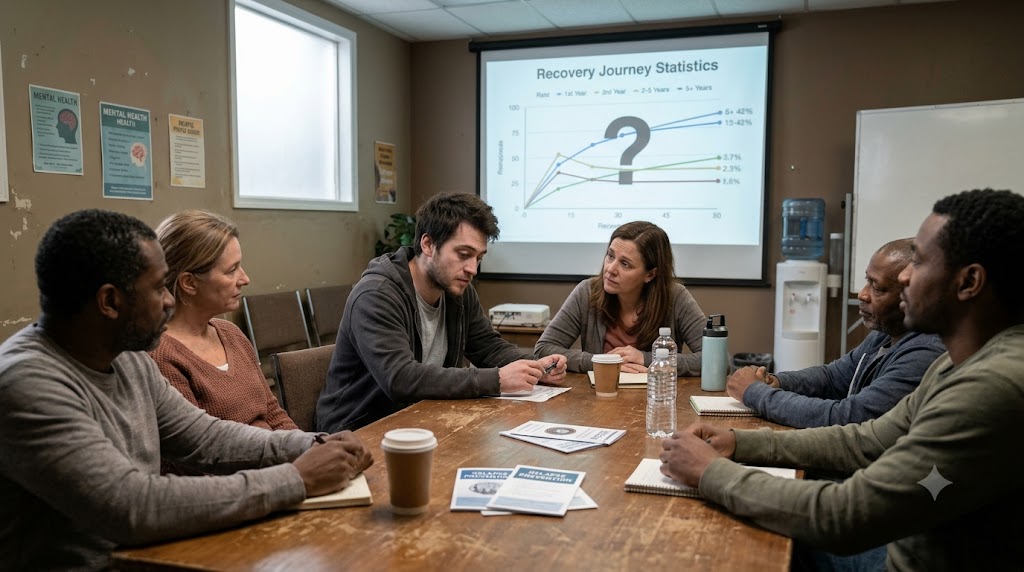
Yes, and we should be proud to say it. Addiction researchers have compared rates of relapse following treatment to conditions like asthma or high blood pressure, where it is not uncommon for symptoms to return even when a person is in treatment. Between 40-60% of individuals treated for a substance use disorder are estimated to have relapsed at some point.
That’s not to say it doesn’t work. What it does mean is that addiction is a disease that’s best managed over the course of a lifetime. In fact, a relapse is sometimes an indication that it’s time to make changes to your treatment plan.
How Does Addiction Change the Brain and Make Relapse Possible?
Using a substance repeatedly can change the way the brain’s reward system works. This change involves pathways that use the brain chemical dopamine. The brain may change to depend on the substance in order to experience pleasure, motivation or even to function normally. Control, decision-making and judgment regions may change as well.
These changes still don’t disappear overnight, even after months or years of sobriety. And your brain can take a long time to recalibrate. In the meantime, you might find yourself craving without warning, and the “brain telling you not to do that” side of the brain might not always prevail over the “I remember how quickly that drug brought relief” side of the brain. That’s a biological fact, not a personal failing.
Which Triggers and Situations Push People Back Toward Substance Use?
Triggers are people, places, emotions or circumstances that remind the brain of past use. Some are easy to identify but others sneak up on you. Common triggers are:
- Stress: Job stress, money stress or family fights can be enough to send someone into their former way of coping.
- Negative feelings: loneliness, anger, shame, boredom, and despair are the most common causes of relapse.
- Environmental cues: Spotting an old bar sign, running into old friends who continue to do so, or finding paraphernalia at home can trigger extreme urges.
- Good times: Yes, even celebrations and good news can result in a voice in your head that says “just one drink”.
- Significant life change: Loss of a job, a breakup, the death of a loved one or a promotion can all throw you off kilter.
Learning to spot your personal triggers is a major part of staying on track.
What Role Do Mental Health Conditions Play in Relapse?
People with substance use disorder will also develop anxiety, depression, trauma, or other mental health conditions. This can be a co-occurring disorder or dual diagnosis. If this mental health condition isn’t treated, then the individual will go back to substance abuse to help treat anxiety, low mood, low energy, or insomnia.
That’s why addressing both conditions simultaneously is so important. Therapy, medication when indicated, and ongoing follow-up can help lessen the “magnetism” to use as a means of coping.
Why Does Relapse Often Happen Gradually Rather Than Suddenly?
Relapse is basically a process, not a single moment. Many professionals describe three stages:
- Emotional relapse: Not thinking about using but you’re isolating, not attending meetings, being non-caring toward yourself.
- Mental relapse: The struggle begins. The shame cycle starts and they may dwell on the “good old days” of using, make bargains with themselves, and/or start mentally planning to use.
- Physical relapse: When the individual uses the substance again.
By identifying the early stages, people are able to intervene and get some assistance early on before a full return to use happens.
How Do Weak Support Systems and Lack of Aftercare Contribute?
Recovery doesn’t occur in a vacuum. Finishing a detox or treatment program is a big accomplishment – but it’s not the end of the road. After treatment, many people return to the same circumstances and face the same stresses, with little to no fresh strategies to navigate them, if they don’t have continued help (like peer groups or check-ins with a care team).
The journey can be made even harder by a difficult relationship, stigma, and a lack of support or understanding from family members and employers. Having a supportive circle of friends that doesn’t judge you can go a long way.
What Are the Warning Signs That Someone May Be at Risk of Relapse?
Look for signs such as avoiding friends and family, missing therapy or support group meetings, mood swings, sleep alterations, reconnecting with former friends, or commenting on positive aspects of drug use. Or watch out for overconfidence: “I’m okay now. I know what I am doing.”
If these symptoms sound familiar to you or a loved one, say something sooner rather than later. One caring conversation could be the beginning of support.
How Can You Reduce the Risk of Relapse and Stay on Track?

While no strategy offers a guarantee, several steps can strengthen recovery:
- Develop a relapse prevention plan: Create a list of triggers and coping strategies, and list people to call.
- Maintain a connection: Keep up with support group meetings, counseling or therapy sessions and follow-up visits.
- Choose Healthy Routines: Brain & body are inextricably linked- get plenty of sleep, eat right, get moving, meditate, or do whatever works for you.
- Address mental health issues: Seek treatment for anxiety, depression or trauma.
- Stay away from high-risk situations: Reduce exposure to situations and people associated with past use.
- Practice Self-Compassion: Shame is the greatest trigger for relapse; self-compassion is the greatest buffer against it.
What Should You Do If a Relapse Happens?
Relapse does not mean you’ve failed. And most importantly, it means you should get help as soon as possible – don’t keep it to yourself. Talk to a counselor, sponsor, doctor or someone you can trust, and tell them the truth about your slip. The behavior can be used as a lesson learned in what to expect and how to modify your recovery plan going forward.
If you risk severe withdrawal from alcohol, benzodiazepines or opioids, do not try to detox on your own. Seek medical supervision.
Conclusion: Recovery Is Possible, and Support Makes the Difference
Addiction is a complicated combination of changes to the brain, emotional triggers, stress, mental health issues and lack of support. Addiction is not a moral failing. It is not a permanent condition. With understanding, the right treatment, and ongoing support through aftercare, there is life after addiction and it is within reach.
If you or a loved one is seeking assistance in beginning a new chapter or coming back to life, Harbor Detox provides loving, compassionate professionals to help you safely detox and connect with the appropriate follow-up resources. You are not alone. Call us now, and take the first step toward a better day.
Contact Details
- Company Name: Harbor Detox
- Phone: (888) 793-8002
- Email ID: info@harbordetox.com
- Address: 24832 La Paz Ave, Suite A, Dana Point, CA 92629, USA
FAQs
Does relapse mean my recovery has failed?
No. Relapse is a risk and it doesn’t mean you’ve lost or that you aren’t strong enough. It just means you had a step back and in most cases, that’s a sign that you need to tweak your treatment plan a bit.
How common is relapse after treatment?
It’s actually more common than you may realize. The research typically quotes relapse rates for SUD patients as between 40-60%, comparable to other chronic illnesses such as high blood pressure and asthma.
Why do I still get cravings after months of being sober?
Drugs alter the brain’s reward system, and it takes a long time to get the system back into balance. After months or years, urges can return at surprising times, particularly when under stress or by a trigger that reminds you of drug use. It’s a biological response, not a character flaw.
What are the most common triggers for relapse?
The most common are stress, loneliness, anger, boredom, and shame – anywhere you used to go, old friends who still use, big changes such as divorce, unemployment, moving, or having a child, and holidays. Treats like holidays, graduation parties, and holiday festivities may start the idea “just one won’t hurt.
Can good news or a happy moment really trigger a relapse?
You bet, according to some, including a half-dozen or so that have requested one. Maybe you want to reward yourself or convince yourself that you can have “just one.” Hence, it is important to plan happy moments, not just the tough ones.
Does relapse happen suddenly, or are there warning signs?
Typically, it is a slow process. It begins with emotional relapse (detached, isolated, neglecting meetings, neglecting self-care), moves into mental relapse (romanticizing your old ways, making deals with yourself), and then physical relapse when you go back to using. The sooner you recognize the signs, the sooner you can get help.