
Depression and substance abuse are both major problems that frequently occur together. Many people want to know which one is responsible, with a lot of speculation about whether someone develops depression because of drug or alcohol usage or whether drug and alcohol use creates depression. There is usually a complicated answer to this question. In most cases, both can happen together, and each will eventually make the other worse.
Because of this, it is important to learn how depression and substance abuse are connected to understand that simply treating one of those issues will not necessarily fix everything; both need to be treated correctly for an individual to be able to maintain long-term recovery.
In this blog, we will talk about Depression and Substance Abuse: Which Comes First?
Understanding Depression

While a person may feel sad for a couple of days at a time, true depression is defined as an emotional condition that can severely affect thoughts and feelings in many ways. Some of the symptoms of depression include:
- Regularly feeling sad or hopeless
- Losing interest in all of the normal things one would typically enjoy doing each day
- Experiencing low energy and fatigue
- Changes in sleeping or eating patterns
- Difficulty concentrating
- Feeling guilty or worthless
If left untreated, a depressed individual is unlikely to be able to perform well in a job or in school or have good relationships with others; thus the individual will have a poor quality of life.
What Is Substance Abuse?
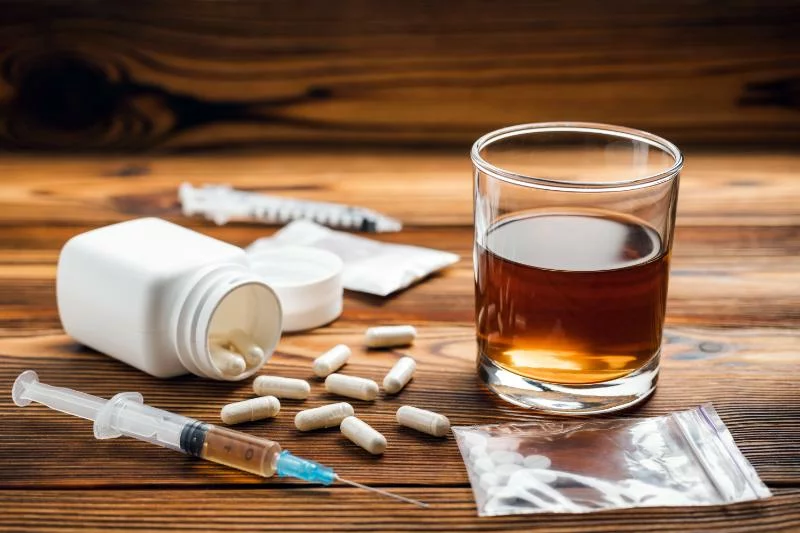
Substance abuse refers to using liquor, prescription medications, or illegal drugs excessively over a protracted period of time. Individuals typically begin using substances for any number of reasons (for example, leisure use, social drinking, peer pressure, etc.), but over time, repeated use will result in dependence or addiction.
The signs of substance abuse are:
- Craving alcohol/alcohol
- Lack of control over the use or abuse of substances
- Neglecting responsibilities
- Staying with using or abusing substances even though the person experiences harm either personally or to others around them
- Experiencing withdrawal symptoms when they try/attempt to stop the use/abuse of substances
Both the physical and mental health of a person will be affected by substance abuse/abuse of substances.
Does Depression Cause Substance Abuse?
Yes. In some cases, depression can cause an individual to use/abuse alcohol/drugs.
When a person suffers from depression, they generally suffer from emotional pain, isolation, and feelings of hopelessness. It is very common for someone who suffers from depression to use alcohol or drugs as a form of self-medication to escape from those feelings.
For example:
- A person may drink alcohol to relieve anxiety or sadness.
- A person may misuse prescription medication to achieve calmness.
- A person may use illicit drugs to feel better temporarily.
In the short term, alcohol and drugs can help relieve the symptoms of depression, however; in the long term the use of these substances usually leads to a worsening of the condition. When the chemicals in the body begin to leave the body, the symptoms of depression may return at a higher level, which can lead to repeated use/abuse of substances and possible addiction.
Can Substance Abuse Cause Depression?
Substance abuse can also prevent a depressed individual from fully recovering from their illness.
Substances i.e. alcohol and drugs affect brain chemistry, and over time the use of substances can lead to changes, which may produce symptoms of depression (these changes may occur even in individuals who have not previously experienced depression).
Many substances can increase the risk of developing depression over time. Long-term substance abuse can cause issues like:
- Financial strain
- Conflict within the family unit
- Loss of employment status
- Legal issues
- Isolation
The weight of these life events can contribute to sadness, hopelessness and ultimately can lead to depression.
The Cycle of Depression to Addiction
Using substances to cope with your depression can create a cycle of drug or alcohol abuse that results in more severe depression and in turn leads to continued and/or increased use of drugs or alcohol.
This cycle can go on for an extended period of time (months or years) if you do not reach out and seek professional help to get you out of the cycle.
As a result, health care professionals will often look for both issues when providing treatment.
Shared Risks
Some factors may increase the likelihood of developing both depression and substance abuse. Common factors include:
- A family history of mental illness or drug/alcohol addiction
- Childhood trauma or abuse
- Stressful life events
- Chronic health conditions/illnesses
- Low self-esteem
- Social isolation
Not everyone who has risk factors will develop depression and/or addiction, but they can increase the chances of developing both conditions.
Why Must You Treat Both Conditions?
If you only treat your depression without also treating your substance abuse. Focusing solely on treatment for one’s depression and ignoring the substance abuse part can yield unsuccessful results, whilst focusing only on addiction without treating depression can lead to a relapse.
Many facilities now have integrated care and are attempting to treat both addiction and depression at the same time.
Some examples of treatment options include:
- Individual counseling
- Cognitive behavioral therapy (CBT)
- Group sessions
- Medication management
- Family support
- Relapse prevention
- Healthy lifestyle changes
Having a combined approach will yield a more extensive period of time for recovery for an individual.
How Can Family & Friends Contribute to Recovery?
Having the support of loved ones is an important part of the recovery process for all individuals.
Family and friends can help in the following ways:
- Providing a listening ear with no judgment
- Encouraging the use of professionals in the treatment process
- Not casting blame or criticism
- Learning about both depression and addiction
- Encouraging healthy routines and habits
Recovery takes time, and having patience from loved ones will make a positive difference in the recovery process.
Blockquote
Depression and substance abuse often occur together and worsen each other, but with timely treatment and support, recovery is possible.
Final Thoughts
So which comes first, the chicken or the egg? In reference to depression and substance abuse, the answer can depend on the individual. For some people depression is the cause that leads to substance abuse as a method of coping with emotional discomfort. For others, long-term alcohol/drug use can cause depression through altering brain function and everyday life activities. There are also many instances however in which both conditions developed together and are continuously used to perpetuate the cycle of the other condition worsening, thereby exacerbating the existing condition.
Harbor Detox is a place where you can get rid of your addictions. We provide the best rehab solutions for the person going through addiction. Feel free to know more in detail about the servcies provided by Harbor Detox.
Contact details
Company name – Harbor Detox
Address – 24832 La Paz Ave Suite A Dana Point, CA 92629
Phone – (888) 793-8002
Email – info@harbordetox.com
Frequently asked questions
1. Is it possible for someone who suffers from depression to also abuse drugs and/or alcohol?
Yes, many people turn to some form of substance (most commonly alcohol) to numb the emotional pain caused by their experience with clinical depression.
2. Is there a causal relationship between alcohol &/or drug abuse and depression?
Yes, long-term abuse of substances can lead to changes in the brain’s chemistry and is therefore an additional contributor to the development of depression in the long term.
3. Which condition tends to develop first, depression or substance abuse?
Either condition may develop before the other and tends to occur at the same time.
4. Can you successfully treat someone for both depression and substance use disorder?
Yes, the most effective method of treating both conditions is through an integrated treatment strategy.
5. What are some common signs of co-occurring depression and substance use disorder?
Persistent sadness and/or loss of interest in things, combined with a pattern of alcohol and/or drug use, are common signs.
6. Can an individual overcome their depression and substance abuse condition?
These conditions can be altered completely with professional help and a positive attitude.
7. Can i self medicate my self for issues like substance abuse or depression?
Self-medication will not be the right decision for these cases. Take the help of a professional who can help you fight the issues.
8. Which person is at high risk of getting depression or substance abuse?
Those who have experienced trauma, have lived in a state of chronic stress, have a history of substance use within their family, or have some other psychiatric disorder place themselves at an increased risk.