Medically reviewed by: Dr. Peter Scheid, Medical Director
So, how long does detox take? First, you’re in the process of thinking about quitting or concerned that someone else is not. You need to take a deep breath. If you’re thinking, How long does detox take you’re not alone.
That’s a common question and a step in the right direction. The simple truth: It varies. Detox can take a couple of days for one person and a couple of weeks for another-same drug, different body, different history, different drug. Some withdrawals are akin to a bad cold while others can be genuinely deadly without medical treatment. That’s why a one-size-fits-all number often doesn’t tell the full story.
In this guide, you’ll find what typical timelines look like for prevalent substances, what factors influence each experience, and why it takes the right kind of support to get through the process.
What Happens in Your Body During Detox
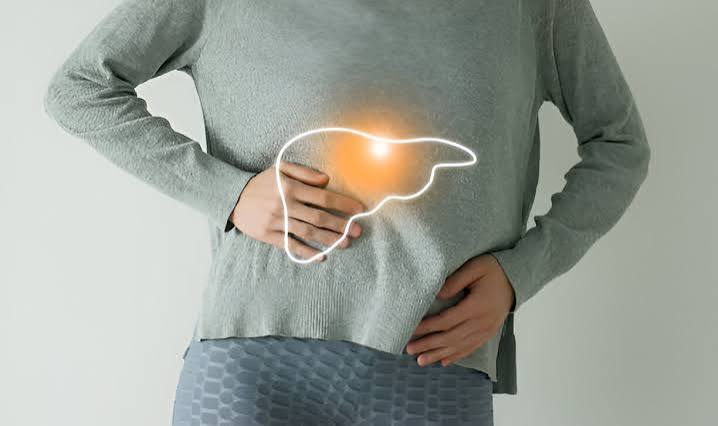
Detox is your body’s response while removing a substance from your system and adapting to life without it. Over time, your body and brain get used to a drug, and as soon as you go off it, your body and brain try to regain a natural balance, resulting in withdrawal symptoms. Common withdrawal symptoms are anxiety, nausea, sweating, insomnia, and strong cravings. Duration of any detox depends on different substances’ effects on the brain and unique responses from the body, though generally there are three phases of detoxification: early symptoms as the drug exits the body, the common window where symptoms are at their worst, and then gradually subsides.
Typical Detox Timelines for Alcohol, Opioids, Benzodiazepines, Stimulants, and Cannabis
Basically, these are for general ranges, and there are no guarantees. Your own timeline should be shorter or longer which depends on you.
- Ethanol (Alcohol): Usually 6 to 12 hours after last drink and can be as long as 24 hours to 72 hours. Most symptoms improve within 5 to 7 days, but these can last longer. Patients with severe intoxication may have seizures or delirium tremens (medical emergency).
- Opioids (heroin or oxycodone): Short-acting opioids may produce symptoms 8 to 24 hours after ingestion, with a peak 2 to 3 days after and improving after 5 to 10 days. Longer-acting opioids such as methadone can have delayed symptoms that last 3 or more weeks.
- Benzodiazepines (such as Xanax or Valium): Symptoms can appear within 1-4 days, vary depending on the drug, and last two to four weeks or longer for acute withdrawal. Not weaning off can trigger seizures, which require tapering under medical supervision.
- Stimulants (such as cocaine or methamphetamine): A “crash” can occur within hours to a few days. Acute symptoms typically persist for 1 to 2 weeks but feelings of low mood, fatigue and drug cravings can continue for many weeks.
- Cannabis: Irritability, sleep difficulties, and appetite loss begin within 1 to 3 days, peak by week 1, and generally improve over the following 2 weeks, although sleep issues can linger.
Individual Factors That Can Speed Up or Slow Down Detox
As you know, if we compare two peoples that taking the same drug but have very different experiences, then we are not comparing it at all. Here is what tends to matter most:
- Duration and amount of use: Longer, heavier use usually results in a more difficult, longer withdrawal.
- Substance type & usage: Short-acting substances have a quick onset, while long-acting substances have a slower onset.
- Age and general health: Liver function, metabolism and chronic health conditions all play a role in the speed at which substances are removed from the body.
- Mental health: Anxiety, depression, trauma and mood swings can all act as triggers for more intense withdrawal.
- Combining substances: Using more than one substance usually complicates detox, often leading to longer withdrawals.
- History of prior withdrawals: The more withdrawals someone has had, the more difficult future withdrawals tend to become.
Why Medical Supervision Makes Detox Safer and More Comfortable

Some withdrawal symptoms are unpleasant but safe. Withdrawal from substances like alcohol and benzodiazepines can be fatal. Medical staff check your vital signs, treat your symptoms with safe medication, keep you hydrated, and address any complications quickly.
Because the mental effects of withdrawal are as important as the physical side, your emotional support is important. Quitting alone can also increase your risk of relapse, because the cravings and discomfort are more difficult to face alone. Being in the care of others takes that burden off you so you can get through each day.
Detox Is the Beginning, Not the Whole Recovery Journey
Detox isn’t the end of treatment. While detox removes the substance from your body and puts the substance’s presence behind you, it doesn’t fix the habits, triggers or causes that led to substance use. If you have continued symptoms like sweats, sleep issues, cravings, etc. for weeks or months following detox, this is sometimes known as post-acute withdrawal and you will need help from professional treatment to guide you through these side effects. That’s why detox is only the start of your journey to recovery.
Conclusion: Start Your Detox With Confidence at Harbor Detox
So how long does it take to detox from drugs? From a few days to several weeks depending on which drug was used as well as your individual situation. The most important thing to remember is it’s not the days that count but rather having the kind of support that will get you through it. Harbor Detox can help you and your loved ones in this process with the care and safety you deserve. Call us today to find out how you can get the help you need.
Contact Details
Company Name: Harbor Detox
Phone: (888) 793-8002
Email: info@harbordetox.com
Address: 24832 La Paz Ave, Suite A, Dana Point, CA 92629, USA
Frequently Asked Questions About Drug Detox
How long will I feel sick during detox?
It will be unique to the drug that caused your addiction and to you as an individual. In general, for most people, the worst effects happen within the first two or three days. Acute symptoms of most withdrawals are manageable after one to two weeks, and there are drugs, such as benzodiazepines, that may take a few weeks or more. Sometimes, once the acute part is through, there can be symptoms for longer-term symptoms such as sleep, issues and mood issues that continue afterward.
Can I detox at home on my own?
It’s possible-although not always safe-that you will experience some mild withdrawals. Unfortunately, even when effects aren’t dangerous, the act of doing it alone creates additional risk for relapse. Consult a doctor or treatment facility before attempting to detox on your own from alcohol or benzodiazepines.
What’s the hardest part of detox?
Most folks say it’s the initial few days-when symptoms are at their worst, and the cravings seem to hit the hardest. And the emotional component may be an even greater challenge than the physical. Anxiousness, irritability, and depression are prevalent, which is why your support system is crucial.
Will detox hurt?
It might be rough, and everyone’s different. You may have body aches, nausea, sweating, chills, insomnia, and other symptoms. When you go through detox at a hospital or other care facility, the staff can often make it more bearable with medicine and other care, so you can focus on other things.
Do I need detox if I only use a substance occasionally?
Not necessarily. It’s usually experienced once you’ve been using regularly or heavily, and your body has developed a tolerance. If you’re not sure, a medical professional can examine the details of your situation and advise you whether you require a supervised detox or other support.
Why did my friend’s detox take a week while mine seems longer?
We all sweat at different times and quantities of use, as well as our age, physical and mental health, and whether or not we were switching between substances can all impact how long the detox process lasts. Trying to compare timelines is rarely beneficial. There is no quicker or slower way.
Is detox the same as rehab?
No. It’s important to know that detox is not rehab. Detox eliminates the substance from your body, but it doesn’t help change your attitude or behavior related to addiction. Most commonly, detox is the first step, and you’ll work on maintaining your sobriety through therapy, counseling, or a support group afterward.
What if I relapse after detox?
It occurs more than you think, and it does not mean you have failed. Just like anything else, addiction recovery is a process; most people take multiple tries. The key is to keep trying, and to get help again as soon as possible. Be cautious, because you will be more sensitive to the effects of drugs following detox, and dosing yourself the same as before may be dangerous.
How do I know when to go to the emergency room?
If you or a loved one experiences any of the following please get emergency assistance immediately: Seizures, confused thinking, hallucinations, chest pain, rapid/irregular heartbeat, severe nausea/vomiting, thoughts of harming yourself. Do not wait to see if it goes away.
How can I support a loved one going through detox?
Stay calm, empathize without judgement and refer them to a mental health professional. There are tangible ways you can offer help – do they need a lift to an appointment? Can you walk through a difficult time with them? Reassure them that the desire to get help is admirable, and take care of your own wellbeing.