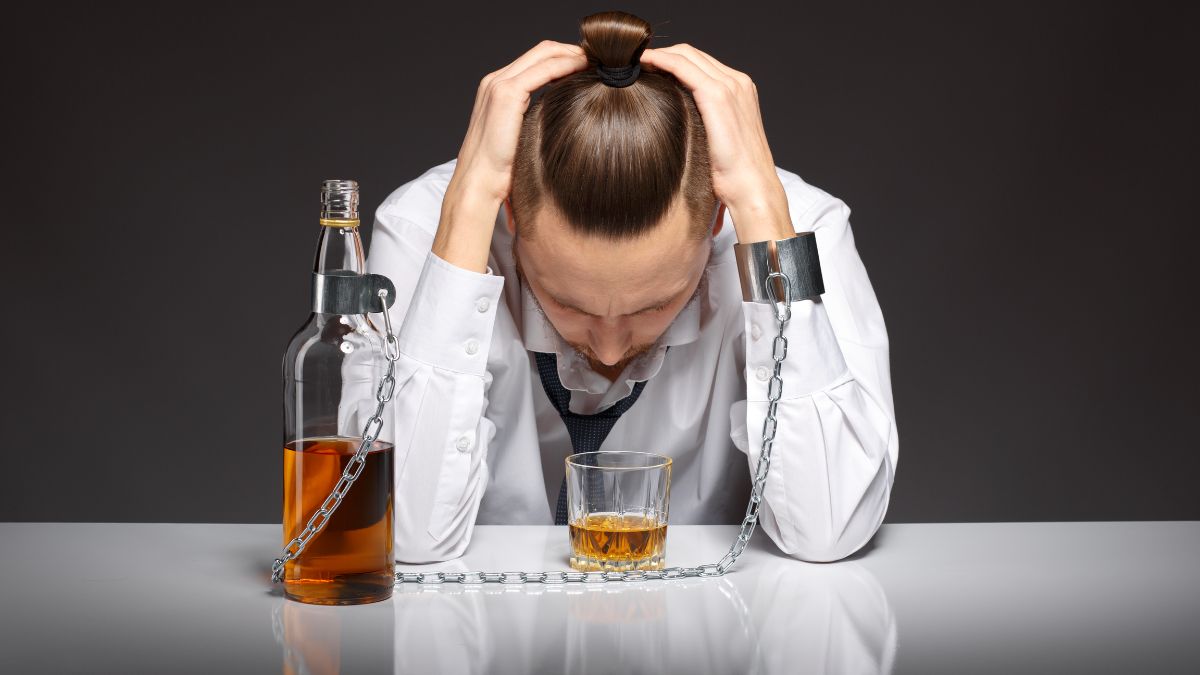
If you, or someone you know is dealing with alcohol dependence you may have come across these two terms – alcohol detox and alcohol rehab, these two terms are often used interchangeably but there is a difference. Being able to differentiate between the two can assist with choosing the correct treatment as well as improve the likelihood of achieving a successful long-term recovery.
They each have their individual roles, but both detox and rehab are needed to successfully treat alcohol dependence. Here is how they both work and why you will likely need one before starting the other.
In this blog, we will talk about Alcohol Detox vs Alcohol Rehab: What’s the Difference?
What Does Alcohol Detox Entail?

The first step in treating an alcohol addiction is called detox, which refers to losing alcohol from the body. The withdrawal symptoms must also be accounted for when removing the alcohol. A prolonged period of heavy drinking causes the body to develop a tolerance to alcohol, thus when a person stops drinking the body experiences withdrawal symptoms that can be either mild or severe. Some of the common withdrawal symptoms may include:
- Anxiety/irritability
- Profuse sweating
- Shaking/tremors
- Nausea/vomiting
- Inability to sleep
- Increased heart rate
- Seizures (extreme cases)
- Hallucinations
Since the withdrawal process can be dangerous and/or have complications associated with it, detox is often done with the assistance of a medical professional. Medical professionals will be monitoring the patient for any withdrawal complications and will also administer medications that can help alleviate discomfort and/or prevent complications.
The duration of detox can range between 3 and 10 days depending on several factors.
How Does Alcohol Rehabilitation Work?

The process of alcohol rehabilitation (rehab) follows detoxification and focuses on addressing the psychological, emotional, and behavioural aspects of alcohol addiction.
Detoxification removes alcohol from an individual’s body, however, it does not address the underlying problems that led to the individual consuming alcohol. Alcohol rehab aids an individual to understand their addiction; develops healthy coping skills and create the means necessary to maintain a drug-free lifestyle.
Alcohol rehabilitation typically provides the following types of therapy:
- Individual Counselling
- Group Therapy
- Family Therapy.
- Cognitive Behavioural Therapy (CBT)
- Relapse Prevention Planning.
- Stress Management
- Life Skills Training.
- Holistic Therapies, including Yoga and/or Meditation.
There are two different types of alcohol rehabilitation: inpatient (residential) and outpatient. The type of treatment provided will depend on the individual’s specific needs and the severity of their addiction.
The duration of an alcohol rehabilitation program will vary from 30 days to many months.
Why Detox Is Not Enough
Many individuals feel that once they have completed their withdrawal symptoms, they no longer require continuing treatment for their alcohol addiction. Unfortunately, this belief is a major misunderstanding about alcohol addiction.
Detoxification addresses only the individual’s physical dependency on alcohol; however, cravings and emotional triggers, stress, and unhealthy habits continue to exist after the detoxification process has been completed. If an individual does not receive additional assistance following detoxification, their chance of returning to alcohol use is very high.
Alcohol rehabilitation helps the individual to:
- Identify his or her trigger.
- Learn positive coping mechanisms.
- Enhance relationships with family members and friends.
- Develop self-confidence.
- Develop a comprehensive recovery plan.
These areas of treatment will drastically increase the probability of maintaining sobriety.
Who should detoxify from alcohol?
People who consume alcohol regularly or in excessive amounts can benefit from detoxification. Symptoms associated with the cessation of drinking may present themselves as well, and physical alcohol dependence may lead to a need for treatment. Individuals who have previously tried to stop drinking may also benefit from detoxification.
A medical evaluation will help identify how severe the withdrawal symptoms may be when quitting alcohol.
Who Should Go To Drug And Alcohol Rehabilitation?
Individuals who have been diagnosed as having alcohol use disorder, regardless of the severity of the disorder, can succeed in drug/alcohol rehab programs.
Individuals who have a history of relapsing to drinking, as well as experiencing various mental health disorders, may find drug/alcohol rehab to be most beneficial. Additionally, individuals who have exhibited self-control issues with their alcohol consumption and/or desire to receive structure while trying to recover could potentially benefit immensely from drug/alcohol rehab.
Treatment plans should be customized to meet the needs of each individual.
The combination of detoxification and rehabilitation provides the most successful programs available. While detoxification safely stabilizes the body during the initial stage of the recovery process, rehabilitative services concentrate primarily on the psychological and emotional aspects of addiction.
After completing a rehab program, the majority of individuals will continue on to an after-care program by utilizing resources available through support groups, counseling, and sober living environments to help achieve and maintain sobriety.
Sustaining sobriety is an ongoing journey, and continued assistance can greatly improve the likelihood of success.
Blockquote
“Detox clears alcohol from your body, but rehab helps rebuild your life. Together, they provide the strongest path toward lasting recovery and long-term sobriety.”
In Conclusion
There are two separate but equally important components of the treatment process for alcohol addiction, namely detox and rehabilitation from alcohol. Detox is a means of managing withdrawal symptoms and eliminating alcohol; rehabilitation is designed primarily to assist the individual in healing both emotionally and psychologically from their addiction.
Harbor Detox provides the best alcohol detox and rehab for the needy and provides the highest quality and reliable services to addicted people. Feel free to learn more about alcohol and rehab services provided by Harbour Detox.
Contact details
Name – Harbor Detox
Address: 24832 La Paz Ave, Suite A, Dana Point, CA 92629, United States
Phone: +1 800-418-0382
Frequently Asked Questions
1. Is detox a necessary step before going to rehab?
If you are physically dependent on alcohol, it is advisable to go through a detox program before starting your rehab program.
2. How long is a detox program for alcohol considered the norm?
Alcoholic detox programs are generally between 3 and 10 days long.
3. What is the level of discomfort associated with alcohol detox?
Most people experience discomfort during withdrawal, but receiving medical supervision will help to safely control withdrawal symptoms.
4. Will rehabilitation guarantee against relapse?
No. No treatment guarantees against relapse, although rehab significantly increases the success rates of recovery for a longer period of time.
5. Can alcoholic addiction be treated as an outpatient?
Yes. Many people who are addicted to alcohol benefit from an outpatient rehabilitation program depending on how severe the addiction is, along with other physical and emotional needs.
6. Once you have completed rehab for the treatment of alcohol, what happens?
After completing rehab for alcohol, many individuals continue to participate in various aftercare programs, as well as receive ongoing counseling and attend support group meetings to achieve and maintain sobriety for life.