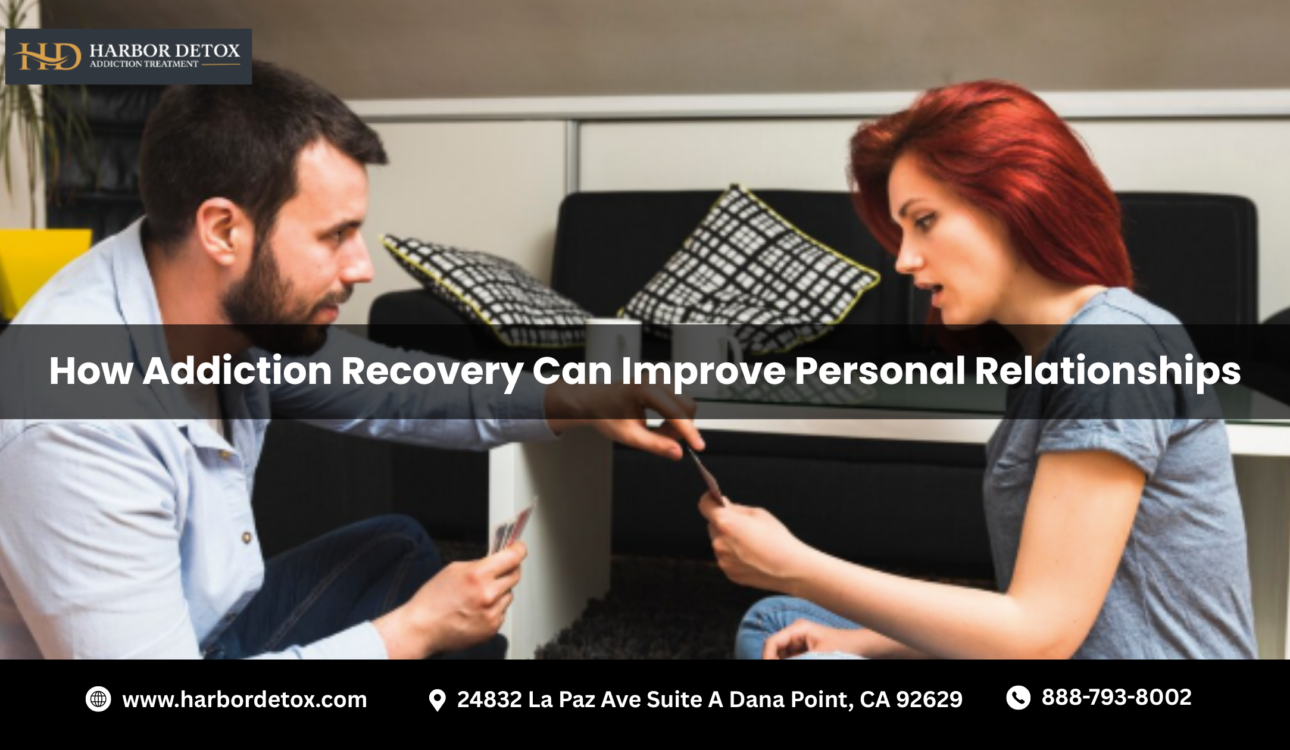
Objective: Addiction can deeply affect the relationships that matter most. This article explains how recovery can help people rebuild trust, improve communication, and reconnect with family, friends, and partners in a healthier way.
Table of Contents
- How Addiction Damages Relationships
- Why Relationships Matter in Recovery
- Rebuilding Relationships in Recovery: Where to Begin
- Repairing Relationships After Addiction: The Trust Problem
- Recovery and Family Bonds
- Recovery and Friendships
- Recovery and Romantic Relationships
- Why Communication Changes Everything
- Boundaries Are Not Optional
- Key Takeaways
- FAQs
Key Takeaways
- Addiction can damage trust, communication, and emotional connection in close relationships.
- Recovery can create space for repair, but healing takes time.
- Rebuilding relationships in recovery requires patience, honesty, and steady behavior.
- Trust returns through repeated actions, not one apology.
- Repairing relationships after addiction works best when both sides have support.
- Some friendships tied to substance use may need to end.
- Boundaries protect both the person in recovery and their loved ones.
- Harbor Detox supports recovery as a process that affects the whole family system.
Introduction
Addiction can change the way people trust, speak, and connect with each other. It can create distance between partners, parents, children, siblings, and close friends.
Through proper addiction treatment therapy, individuals can begin understanding the emotional impact of addiction and work toward rebuilding damaged relationships. Recovery does not repair every relationship overnight, and it does not erase the pain that happened before treatment. But with support, counseling, and consistent effort, addiction treatment therapy can give people a chance to rebuild trust through honesty, patience, and steady action.
This article explains how addiction affects personal relationships, how recovery can support repair, and what families can expect as trust slowly begins to return.
How Addiction Damages Relationships
Most people do not set out to hurt the people they love. But addiction makes that nearly impossible to avoid.
When someone is caught in substance use, their focus often narrows. The substance becomes central, and other responsibilities can slowly move into the background. This can hurt the people who are trying to stay close.
The damage builds up gradually. A missed birthday here. A broken promise there. A lie told to cover up another lie. Over time, loved ones may feel disconnected from the person they once knew.
Here is what addiction commonly does to personal relationships:
- Dishonesty becomes a habit. Hiding substance use leads to a pattern of lying that is hard to undo even after sobriety begins.
- Emotional absence. The person may be sitting in the same room, but they are not really present. Substances dull emotional availability.
- Money becomes a source of conflict. Addiction is expensive. Bills go unpaid, savings disappear, and resentment builds fast.
- Responsibilities get dropped. Parenting, showing up for friends, being a reliable partner, all of it suffers.
- Conflict may become more frequent. Mood changes, secrecy, and stress can make everyday conversations harder.
The people left dealing with this, spouses, parents, children, close friends, carry a heavy load. Many develop anxiety. Some develop their own unhealthy coping patterns to get through the day.
Understanding how deeply addiction and relationships are connected is not about assigning blame. It is about being honest about the starting point.
Why Relationships Matter in Recovery
Recovery is personal, but it is rarely something people do well in complete isolation.
Supportive relationships can make recovery feel less lonely. They can give a person encouragement, honest feedback, and a safe place to talk when things feel difficult. This does not mean family or friends are responsible for keeping someone sober. That responsibility still belongs to the person in recovery.
But support matters.
A trusted person can notice when someone starts pulling away. A family member can encourage treatment follow-up. A sober friend can offer support during a hard day. A therapist, sponsor, or peer group can help the person stay connected when old patterns return.
Healthy relationships in recovery can help by:
- Reducing isolation
- Encouraging honest communication
- Creating accountability
- Supporting healthier routines
- Reminding the person that they are more than their past
This is why rebuilding relationships in recovery matters. It is not just about repairing the past. It is also about creating a stronger support system for the future.
Rebuilding Relationships in Recovery: Where to Begin
That instinct comes from a good place. But it usually does more harm than good. Apologies to everyone. Repair every relationship. Make up for lost time as fast as possible.
That instinct comes from a good place. But it usually does more harm than good. A better first step is simple consistency. Answer calls when you can. Be honest about where you are. Show up on time. Follow through on small promises. These actions may seem small, but they are often what loved ones watch most closely.
Loved ones who spent months or years dealing with the consequences of someone’s addiction are not ready to flip a switch and move on. They need time. Rushing them, even with the best intentions, can feel like pressure, and pressure pushes people away.
Start with yourself. Recovery asks a person to look honestly at their own behavior. That is uncomfortable work, but it is necessary. You cannot show up well for others if you do not first understand your own patterns.
Pick one or two relationships to focus on. Not ten. Not all of them at once. Give your real attention to the connections that matter most and do the work there consistently.
Get professional support involved. This is not a weakness. A therapist or family counselor can help both sides communicate in ways that actually move things forward, rather than reopening the same wounds repeatedly.
Rebuilding relationships in recovery is slow work. But slow and steady actually works here.
Repairing Relationships After Addiction: The Trust Problem
Trust is often one of the first things damaged and one of the last things repaired.
Repairing relationships after addiction often begins with trust. There are no quick fixes, but there are steady steps that help.
A few things that genuinely help:
- Say what you mean and mean what you say. Small, kept promises matter more than grand gestures. Call when you say you will call. Show up when you say you will.
- Stop minimizing. “It wasn’t that bad” or “you’re overreacting” are phrases that destroy progress. The other person’s pain is real. Acknowledge it directly.
- Apologize clearly. A real apology accepts responsibility without shifting blame. It should not turn into a defense of what happened.
- Accept that you cannot control the timeline. Some people will come back around quickly. Others need a year or more. Neither response is wrong.
- Let your behavior do the talking. After a while, words lose meaning. What people watch is what you actually do, week after week.
This is hard work. But it is exactly the kind of work that slowly changes how people see you.
Recovery and Family Bonds
Family relationships are often deeply affected by addiction. Parents, siblings, partners, and children may all carry different pain from the same experience.
Some family members may feel angry. Some may feel tired. Some may want to reconnect but feel afraid of being hurt again. These responses are normal.
Recovery can help rebuild family bonds, but it takes time. Being sober is an important first step. Still, families also need honesty, emotional presence, and clear communication.
What helps most is steady behavior. Showing up once is not enough. Showing up again and again is what slowly makes trust possible.
What actually helps here:
- Family therapy creates a structured space where everyone can speak honestly without it turning into a fight.
- Showing emotional presence matters enormously. Being sober is the foundation, but being genuinely engaged is what children and partners actually need to feel.
- Letting others set the pace shows respect. Not everyone heals at the same pace, and pushing too hard can further damage trust.
- Educating the family about addiction as a medical condition, not a personal choice or character flaw, reduces shame on all sides and opens the door to real conversation.
Family healing is not fast. But it is often the most meaningful part of long-term recovery.
Recovery and Friendships
Some friendships will not survive recovery. That is worth saying plainly.
It can also feel painful to outgrow old friendships. A person may feel guilty, lonely, or unsure where they belong. That is why sober communities, support groups, and healthy social routines can matter so much. They help replace isolation with safer connection.
Holding onto those connections out of loyalty or guilt is a genuine risk. Letting them go is not a failure, it is a reasonable decision.
That said, other friendships, ones that had real substance before addiction took over, are often worth the effort to repair. The same principles apply: honesty, patience, consistent behavior over time.
Recovery also introduces new friendships. Support groups and sober communities bring people together who understand the journey without needing a long explanation. Those connections can become genuinely close and lasting.
Recovery and Romantic Relationships
Romantic relationships can be deeply affected by addiction because partners often experience the day-to-day impact closely.
Partners often live in a constant state of anxiety, waiting for the next crisis, managing consequences, covering for someone they love while quietly falling apart themselves.
When the person gets sober, the partner does not automatically feel relief. They often feel cautious, sometimes angry, and frequently exhausted. That response makes complete sense.
Many recovery professionals suggest avoiding major romantic decisions in early recovery. This is because emotional stability, routine, and personal healing are still being rebuilt.
The emotional demands are high, and the foundation is still being built. A new relationship adds pressure at a time when stability matters most.
For existing couples, the path forward usually involves:
- Couples therapy with someone experienced in addiction recovery.
- Honest conversations about what each person needs going forward.
- Rebuilding physical and emotional closeness gradually, not all at once.
- Clear agreements about what healthy support looks like versus enabling.
Some relationships may not continue. Others may heal slowly and become more honest over time. Either outcome takes care, patience, and support.
Why Communication Changes Everything
Recovery often requires a new way of speaking and listening.
During addiction, many families stop having honest conversations. Some topics feel too painful. Some people avoid conflict. Others speak only when something has gone wrong.
In recovery, communication has to become more steady and honest. This does not mean every conversation will be easy. It means people begin to speak more clearly and listen with more patience.
Better communication can look like:
- Saying hard things without attacking
- Listening without planning a defense
- Asking questions instead of assuming
- Checking in before problems grow
- Admitting mistakes without blame
- Giving loved ones time to respond
These are learned skills. They improve with practice, counseling, and support.
Boundaries Are Not Optional
The word “boundaries” gets used a lot in recovery conversations. But it is worth being specific about what it actually means.
A healthy boundary should be clear, realistic, and consistent. It should not be used to shame or control someone.
For the person in recovery, boundaries might look like:
- Declining invitations to events where heavy drinking is guaranteed.
- Telling a sponsor or trusted person when something feels off.
- Being upfront with family about what kind of support actually helps versus what creates pressure.
For family members and partners, boundaries might look like:
- Refusing to cover up relapses or make excuses to others.
- Attending their own therapy or a support group like Al-Anon.
- Being honest about what they need to feel safe in the relationship.
Boundaries protect both sides. They create the kind of structure that makes a real connection possible. Harbor Detox supports both individuals and families as they work through recovery, boundaries, and the trust that needs to be rebuilt at home.
Conclusion
Need Support Rebuilding Life and Relationships in Recovery?
Harbor Detox supports individuals and families through every stage of recovery. From medically supervised detox to ongoing emotional support, our team helps people rebuild trust, improve communication, and move toward healthier relationships.
Addiction can damage trust, communication, and emotional connection. Recovery does not erase the past, but it can create space for honesty, responsibility, and slow repair. Relationships often heal through small actions repeated over time, not one apology or one conversation.
A kept promise, a clear boundary, and a calm conversation can become part of rebuilding trust.
If addiction has affected your family or relationships, reach out to Harbor Detox for support that helps individuals and loved ones move toward recovery with care and clarity.
Frequently Asked Questions
Can A Relationship Recover After Years Of Addiction-Related Damage?
Yes, some relationships can heal after addiction. But it takes time, honesty, and consistent action.
The person in recovery needs to show change through behavior, not only words. Loved ones also need space to process what happened and decide what they need to feel safe again.
How Long Does It Take To Rebuild Trust After Addiction?
There is no fixed timeline. Trust may take months or even years to rebuild.
Small actions matter most. Being honest, keeping promises, showing up on time, and respecting boundaries can slowly help loved ones feel safer again.
Is It A Bad Idea To Start A New Relationship In Early Recovery?
It is often better to avoid major romantic decisions in early recovery. This stage can be emotionally sensitive.
The main focus should be stability, treatment, healthy routines, and personal growth. A new relationship can add pressure before the person is ready.
What If My Family Does Not Want To Reconnect Yet?
That can be painful, but it is their choice. Some loved ones need more time. Some may still feel hurt or unsure.
The best step is to keep focusing on recovery. Stay consistent, respect their space, and build healthy support through therapy, recovery groups, and trusted people.
What Is The Difference Between Support And Enabling?
Support helps someone stay connected to recovery. It can include encouragement, honest conversations, and healthy boundaries.
Enabling protects someone from the results of harmful behavior. This may include covering up relapses, making excuses, or ignoring serious problems. Family therapy can help loved ones understand the difference.
How Does Addiction Affect Children In The Family?
Children may feel confused, scared, angry, or responsible for things that are not their fault.
When a parent enters recovery and becomes more consistent, it can help rebuild safety. Some children may also benefit from counseling so they can understand and process what they experienced.