Medically reviewed by: Dr. Peter Scheid, Medical Director
So, what happens in inpatient rehab once you walk in the door? It’s a question that gets asked often before someone starts the recovery process, and it often involves one thing in particular: fear and anxiety about a lack of control. The truth is that inpatient rehabilitation, once you’re through the doors, is a routine – medical and psychiatric care, meals, activities, exercise and more- that is incredibly planned (not quite boring), but also peaceful and controlled in all of the most needed aspects of rehabilitation from a substance addiction and/or any issue that will be treated.
This can remove the chaos that a lot of those new to recovery were accustomed to or worried about returning to, and it’s more predictable compared to the randomness addiction often brings, or what those outside of recovery picture rehabilitation entails. Here’s a glimpse of what to expect within your first week at a rehab facility.
Why Structure Matters More Than You’d Think

Life with substance use feels erratic, days blend together and nobody sleeps or eats. During the day-to-day the last thing an alcoholic or drug addict has is some semblance of order. Inpatient recovery offers a return to a schedule to achieve what feels for some: normalcy.
But the routine, orderliness of inpatient recovery offers something greater, a calming of the mind-body. This order creates a feeling of reduced anxiety that the brain can process, recover and real healing can commence.
What an Inpatient Rehab Daily Schedule Looks Like

Although the specifics can vary from one facility to the next, most treatment programs follow the same daily pattern structured around clinical care, therapy group sessions and time for your own recovery efforts. A typical inpatient rehab daily schedule can look something like this:
| Time of Day | Typical Activity |
| Morning (7:00 to 9:00 AM) | Woke up, wellness check, breakfast |
| Mid-Morning (9:00 to 11:00 AM) | Individual or group therapy session |
| Midday (11:00 AM to 1:00 PM) | Education workshops, medical check-ins, lunch |
| Afternoon (1:00 to 4:00 PM) | Group therapy, skill building sessions, recreation |
| Evening (4:00 to 6:00 PM) | Free time, exercise, journaling, dinner |
| Night (6:00 to 9:00 PM) | Support meeting, alumni check-ins, wind-down time |
| Late Night (9:00 PM onward) | Personal reflection, lights out |
This kind of day makes you feel like every hour is accounted for without too much stress – there is enough time to catch yourself.
The First Few Days: Stabilization and Medical Care
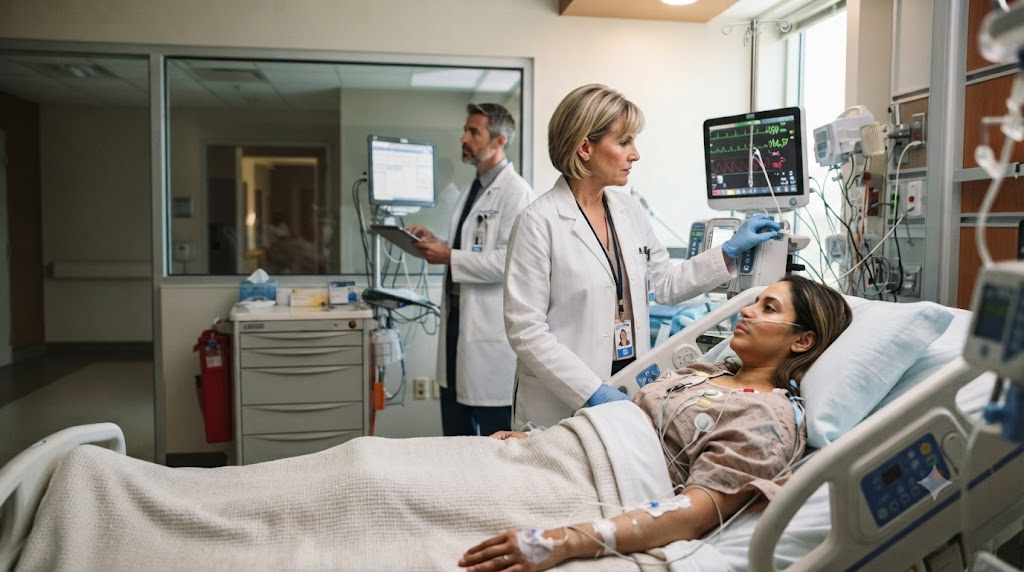
Typically, how the week starts varies from the remainder. If it’s a section of cleansing, it’s essential within the initial couple of days to make sure that the physical features of drawback are steadied by health professionals prior to remedy may proceed. This may bring emotions to peak, that’s why twenty-4 hour assistance is an integral aspect in initial treatment because the individuals aren’t expected to go deeper immediately.
The Middle of the Week: Therapy Becomes the Main Focus

By Day 3-5 you’ll notice the majority of clients start adapting and getting in tune with program routines, with individual therapy being a significant part of everyone’s day. Expect to participate in a group therapy setting, individual counselling sessions and educational modules on addiction, triggers, and ways to cope with the urge to use. Group Therapy often comes as an unexpected treat for many, as it is quite common to find it surprisingly easy to discuss things in a setting with people who understand exactly what one another is going through. Clients begin to isolate what has fueled their substance use up to now, beginning the process to set the stage for sustained remission in the months following recovery.
Meals, Rest, and Recreation: The Parts People Don’t Expect
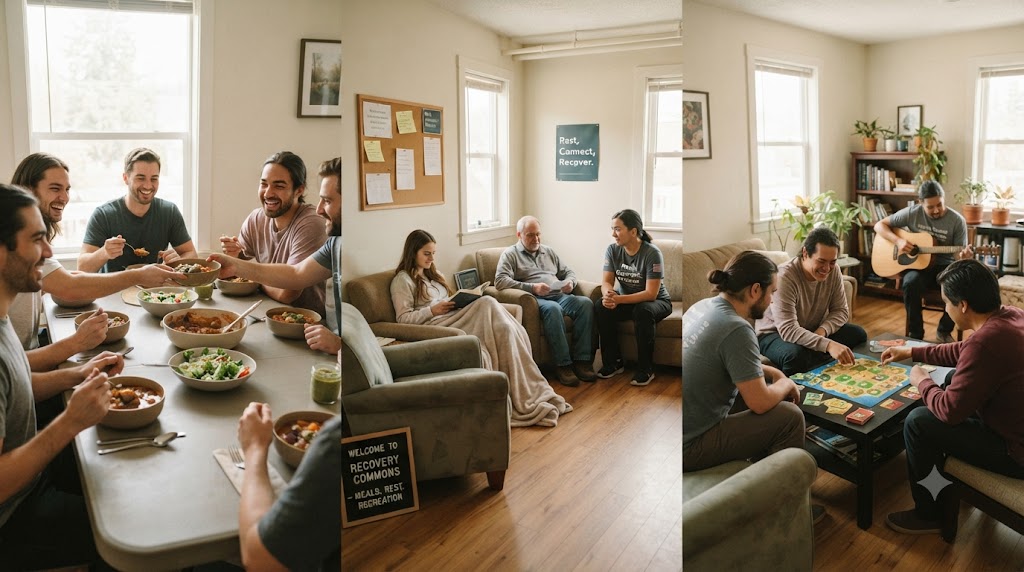
Recovery is not back-to-back therapy throughout the day. Meals tend to be in groups so clients can socialize with each other away from the clinical setting. Time is spent doing physical activity – whether it’s going for a walk or in a gym, having yoga or taking a class – so clients can get exercise to release stress in early sobriety.
Evenings unwind and are often free time for clients to journal, read, or get rest and relaxation. These times are important for reflection as clients consolidate what’s happening during their days.
The Final Days: Preparing for Life After Treatment
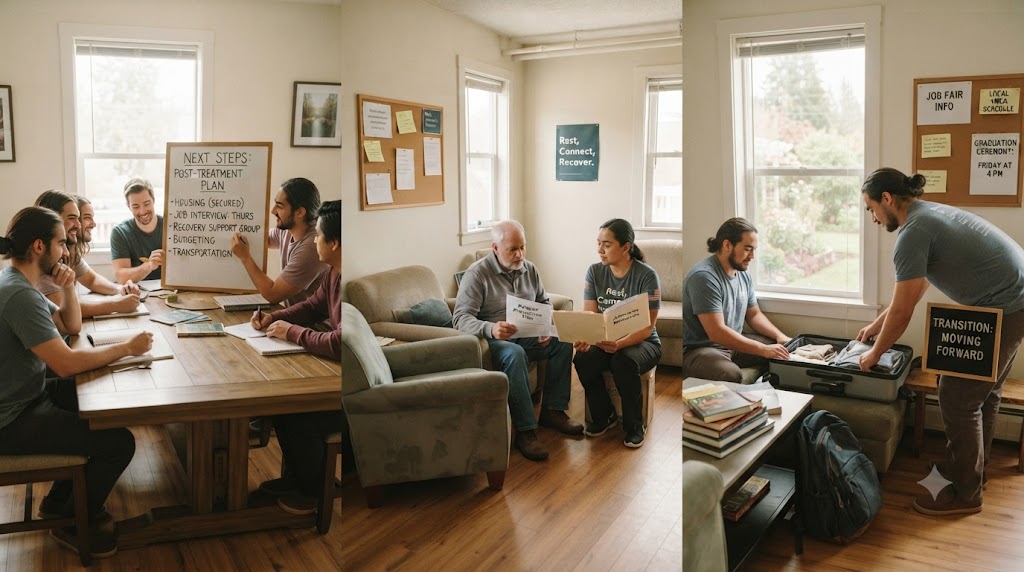
As the week ends, attention begins to turn from what has occurred this week, and toward what is going to come next. These weeks see clients working with counsellors on relapse prevention, finding supports within the home environment and creating achievable goals for their lives post-treatment. Many families will see the family counsellor and have what is referred to as a “family meeting” near the end of the week to learn of ways they can support their loved ones once the treatment program has ceased. This form of “transition planning” is often the most critical work performed throughout the week, for in fact, a program’s job doesn’t really end when a client walks out the door – it is just getting started.
Why the Routine Itself Is Part of the Healing

When I look back over the last few weeks what sticks with me isn’t individual sessions, the schedule really does. Each day is an iteration of the day before. Wake up at roughly the same time, eat reasonably close to the usual times, session, rest, repeat, it’s a repetition that can rebuild the sense of agency and normality that addiction has dissolved – and the structure for some, can be more effective than the therapy itself.
Final Thoughts
Your Week of inpatient therapy isn’t to get you out of the house or ‘sent away.’ It’s to allow yourself, or a loved one, access to what works: a medical, emotional and functional place where an individual can begin to make healing progress. If you are considering this step for yourself or a friend, allow Harbor Detox to offer the support you’re looking for and ensure every step along the path to sobriety.
Harbor Detox Contact Information
- Company Name: Harbor Detox
- Phone: (888) 793-8002
- Email: info@harbordetox.com
- Address: 24832 La Paz Ave, Suite A, Dana Point, CA 92629, USA
Frequently Asked Questions
How do I know if I’m actually addicted to fentanyl, or just physically dependent?
Good question. And honestly, not always obvious how they’re different on your own. Physical dependence refers to when your body is used to a drug and goes through withdrawal symptoms when you cease its use. Addiction involves that and much more: use continues even when damaging- to your health, relationships or the rest of your daily life. An evaluation by a doctor can reveal your position and what really might make sense for you.
Is fentanyl detox dangerous? I’m scared to stop on my own.
And that fear is justifiable; that’s a very good impulse to have. Because with fentanyl, withdrawal is very severe. Quitting without medical supervision is simply out of the question since there is a significant risk of relapse during the initial stage when your tolerance has dropped so dramatically – and that is the most hazardous point. If medical facilities do use this approach, medically monitored detox allows a clinical team to closely supervise you.
What actually happens during the first few days of treatment?
The first couple of days will be largely about getting yourself stabilized. You’ll be under close observation, probably given meds to manage withdrawal symptoms, and mostly asked to lie low and recuperate. No one will have any expectation for you to go to long-term therapy in these early days, as the first thing will be getting past the physical aspect of your recovery in a safe and comfortable way.
Will insurance actually cover this, or am I looking at a huge bill?
Yes, a lot of plans will cover the detox and the treatment but of course, your provider and what’s out of their covered treatment facilities and plans vary. Most treatment centers including our own, the Treatment of Harbour Detox, will check in with your benefits prior to arriving at our center and make sure you know what will be covered.
Do I have to go to inpatient care, or are there other options?
No not necessarily. This depends on your use level how serious it is if you have a supportive and safe living situation and your daily obligations. Inpatient treatment offers the greatest support and structure but there are outpatient and day-treatment programs that will work if you’re looking for that sort of program flexibility. We’ll help determine what level of treatment is best for you.
What if I’ve tried rehab before and it didn’t work?
Doesn’t mean you’re a failure – and doesn’t mean your program won’t work now. Relapse is typical with many opioids, most of them powerful, like fentanyl, so what may need to be changed is your approach rather than yourself. Many facilities will query as to your history, using it in the designs for new programs.
Can I keep this private from my job or family if I’m not ready to tell them?
Yes, absolutely. Anonymity is fundamentally intertwined with the treatment center industry. Your treatment will be protected by a few key federal privacy law principles, and most places have ample experience with discretion for clients. If privacy is a crucial consideration for you, discuss with a treatment center upfront how they approach it.
How long until I actually feel like myself again?
There’s no definite schedule as it depends on how much and for how long you’ve taken as well as your state of well-being and the road to recovery you pursue. The physical symptoms of withdrawal generally resolve in about two weeks, and regaining mental stability can take longer, possibly weeks to months as your brain and body begin to rebalance.