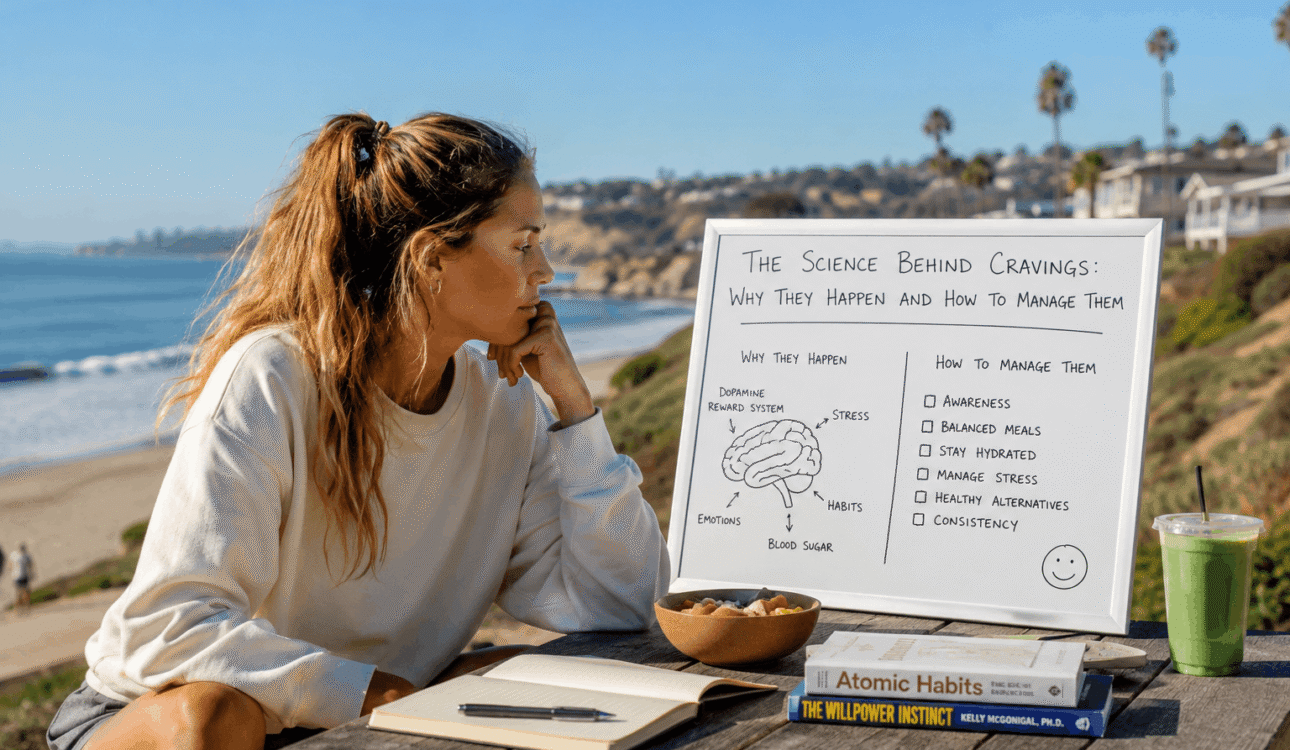
Do you sometimes feel like your cravings have an almost overwhelming power and influence on you, even though you might know that giving in to them could not be the best thing? Be it the desire to consume drugs, alcohol, nicotine, or sweet foods, cravings are an inevitable part of human physiology and psychology. Learning about the science of cravings is important for understanding why people experience them and how to deal with these strong urges in healthy ways.
Cravings are one of the main challenges that those who suffer from substance use disorders face during their recovery. Nonetheless, cravings do not indicate failure. They are just a symptom of your brain adapting and learning new behaviors. With appropriate methods and professional assistance, you will learn to handle them effectively and easily.
What Are Cravings?
Cravings are strong physical or psychological desires to use some substance or act in a certain way. These desires emerge because the brain is accustomed to linking some substance or action to pleasure or relief.
The brain’s reward system changes when a person uses alcohol or drugs regularly. In this regard, the dopamine neurotransmitter, which is commonly referred to as the “feel-good” neurotransmitter, reinforces these behaviors and makes the brain crave the substance as a response to certain triggers.
The Science Behind Cravings
Our brain is supposed to ensure our survival through rewarding behaviors. However, addictive substances distort this reward system.
The following things happen:
1. Dopamine and the Brain’s Reward System
As one uses drugs or alcohol, the brain produces lots of dopamine. This is responsible for making a person feel good, relaxed, and even high.
Later on, the brain starts to expect the release of dopamine. Without the substance, dopamine production goes down, and other actions do not seem rewarding anymore. This makes one want to continue using again.
2. Environmental Triggers
Cravings don’t only occur due to withdrawal from the substance. There are also some environmental triggers such as:
- Certain individuals
- Certain locations
- Stressful experiences
- Emotional memories
- Social gatherings
- Perception of substance-related triggers
For months after ceasing substance usage, these triggers may stimulate the reward centers in the brain and produce intense cravings.
3. Stress and Emotional Reactions
The release of stress hormones such as cortisol increases the brain’s sensitivity to cravings. Stressors including anxiety, depression, loneliness, boredom, and frustration usually intensify cravings as the brain associates the use of substances as a temporary cure for the unpleasant feeling.
4. Habit Loop
Addiction produces a certain habit loop, which is composed of:
- Trigger
- Craving
- Usage of the substance
- Reward
To end this process, one needs to develop healthy coping mechanisms instead of depending on willpower alone.

Why Cravings Are So Powerful
People tend to view cravings as an issue of self-control, but scientific studies show otherwise.
Addiction causes alterations in parts of the brain involved in:
- Decision making
- Memory
- Emotion regulation
- Impulse control
- Motivation
All of these changes in brain function make it easy for an addict to be overwhelmed by their cravings, particularly when in early recovery. However, it should be known that the brain is extremely plastic, which means that through healthy habits and treatment, new neural pathways can be formed, assisting in recovery.
Cravings’ Common Triggers
One of the most effective methods in preventing a relapse is knowing what your triggers are. Some common triggers include:
- Workplace/home-related stress
- Relational issues
- Financial problems
- Social functions where alcohol is involved
- Lack of sleep
- Hunger
- Anxiety/depression
- Special occasions
- Particular songs/locations
- Others using substances
Knowing what these triggers are helps an individual better cope.
How to Manage Cravings Properly
Fortunately, cravings do not last forever. Cravings tend to come, peak, and go down within a few minutes if not acted upon.
Here are some ways of managing cravings.
Practice Mindfulness
Rather than fighting your cravings, practice mindfulness about them.
Pay attention to:
- What you are feeling
- Where you feel it
- What brought it on
- How it evolves through the course of craving
Practicing mindfulness can minimize impulsive reactions and develop emotional resilience.
Identify Triggers
Maintaining a journal can help uncover patterns for the cause of your cravings.
Answer the following questions:
- What happened before the craving?
- How did you feel emotionally?
- Were you hungry, tired, or stressed?
- What helped the craving to subside?
Over time, you will identify patterns of situations that require new coping mechanisms.
Maintain Physical Well-being
The body and the mind are intrinsically linked.
Enhance your chances of recovery through:
- Balanced nutrition
- Hydration
- Physical activity
- Sleep
- Moderating caffeine intake if it triggers anxiety
Improved physical well-being reduces stress and emotional instability.
Develop Healthy Routines
Replace destructive patterns with positive ones like:
- Exercise
- Reading
- Contacting a good friend
- Meditation
- Deep breathing
- Creative activities
- Support group meetings
Each time a healthy behavior substitutes for substance abuse, destructive patterns grow weaker.
Professional Help is Available
Recovery does not have to be done alone.
Detoxing, therapy, counseling, medication-assisted treatment (where applicable), and peer support groups offer valuable tools to deal with the problem safely and effectively.
Professional help also tackles the reasons behind the addiction problem.
Why People Stop Having Cravings Over Time
Cravings may last forever, many people think.
That is hardly the case.
The more time passes by while being in recovery:
- The brain heals
- New behaviors gain strength
- Ability to regulate emotions increases
- Healthy incentives become even more enjoyable
- Negative triggers lose most of their effect
Although from time to time there may be cravings, they become rarer and weaker with every passing day.
Conclusion
Learning about the scientific reasons why we have cravings enables one to fight the problem with a well-informed approach rather than fear. It is not about weaknesses; it is a natural response of the body that can be handled with proper coping strategies. With time, it will become easier to handle one’s cravings.
The team at Harbor Detox offers medical detox and addiction treatment services to ensure that you safely withdraw from substance abuse and get on track toward recovery.
Contact Details
Website: Harbor Detox
Contact Page: Contact Harbor Detox
Phone: (888) 793-8002
Email ID: info@harbordetox.com
Address: 24832 La Paz Ave, Suite A, Dana Point, CA 92629, USA
FAQs
Are cravings considered normal during addiction recovery?
Yes. Cravings are completely normal in addiction recovery and are due to the brain healing itself from continuous substance abuse. Having cravings does not mean that your treatment is not working.
How long do cravings last in addiction recovery?
Cravings typically last for 10 to 30 minutes, assuming you resist them. Despite their intensity, cravings generally escalate, reach the peak point, and eventually fade away.
Does stress make cravings more severe?
Definitely. Since stress increases the level of cortisol in the body, cravings can become more severe. Proper stress management can lower the likelihood of a relapse.
Will cravings completely go away?
Typically, many individuals have noted that cravings become rare and less severe in time. Although sometimes people may experience cravings again, managing them will become easier due to good recovery habits.
When should a person consider professional treatment for cravings?
In case craving becomes too much to bear or cause relapses regularly and interfere with life, one should consult with medical specialists in addiction treatment.
Can particular foods or beverages cause cravings?
Yes. Some foods, beverages, or circumstances are associated with previous substance use and can cause cravings. Knowing your triggers can allow you to prevent them.
How does a craving differ from withdrawal?
Withdrawal is characterized by physical and emotional signs of quitting a substance, whereas cravings represent a desire to use a substance once again. Cravings may persist even after withdrawal symptoms are gone.
Can exercise assist in overcoming cravings?
Yes. Exercise improves one’s well-being and helps with managing stress and brain activity, which allows you to cope with cravings.
Is having cravings a sign of relapse?
No. Cravings occur during recovery and are normal. Overcoming cravings is a step in the recovery process.
Which treatment methods help with cravings?
Detoxification, therapy, support group sessions, and MAT can help in treating and managing cravings.