

Medically reviewed by: Dr. Peter Scheid, Medical Director
Combining more than one substance may not be so hazardous to some people, as the idea that using certain drug combinations or alcohol will make them feel better, relaxed, fall asleep, or get energized is appealing. However, there will always be a reaction and, sadly, combining substances may become very dangerous and even fatal in some cases.
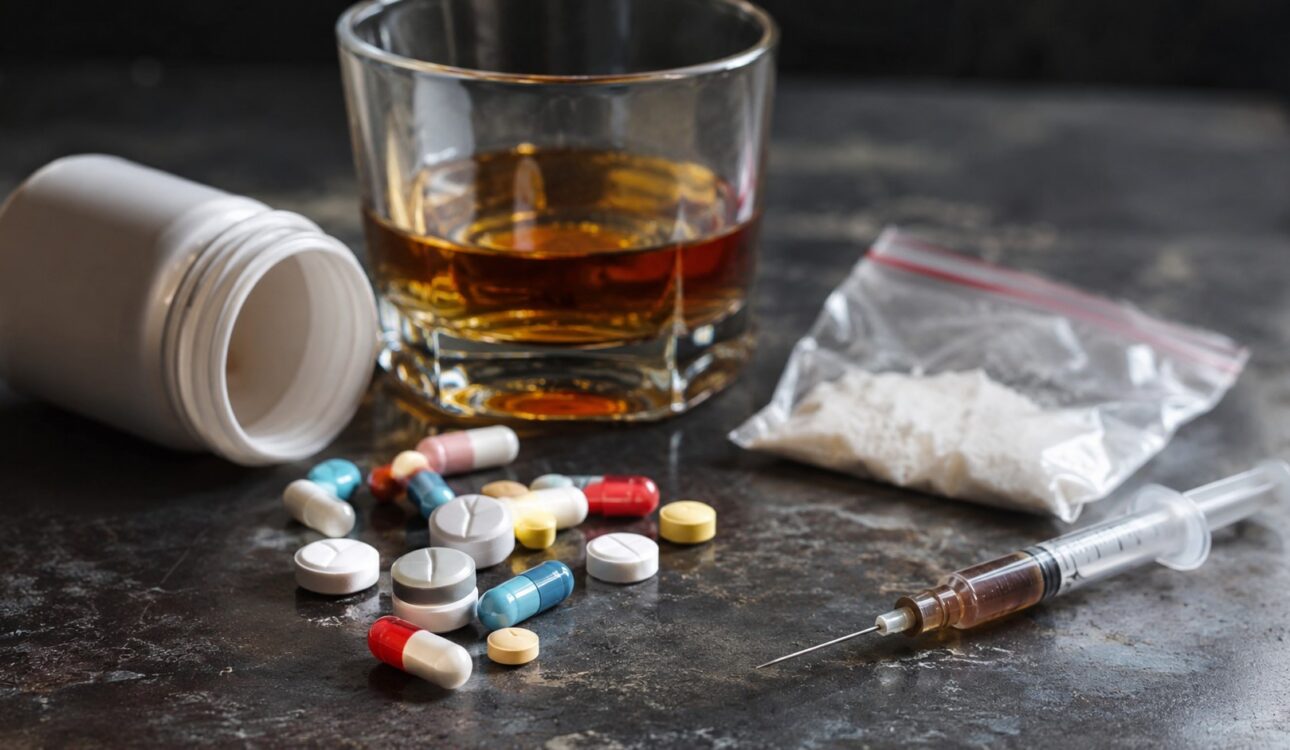
Now, what is polysubstance use? It is a method of using two or more psychoactive substances either at the same time or within a short period of time. The substances can include alcohol, prescribed medications, street drugs, and any mind-altering substances.
The thing that makes polysubstance abuse so dangerous is that each specific drug reacts to other drugs differently and that leads to an overdose, respiratory issues, harm to internal organs and other negative consequences.
It is important to be able to identify polysubstance abuse, symptoms, and potential consequences in order not to get hurt or get the right help.
What Is Included in Polysubstance Use?
The following are examples of polysubstance use:
- Alcohol and medication: Taking alcohol along with sleeping pills, anxiety medication, and painkillers.
- Opioids and benzodiazepines: The use of pain relievers and opioids combined with substances such as Xanax and Valium.
- Stimulants and depressants: Substances including cocaine and methamphetamine and central nervous system depressants.
- Recreational drugs: Use of various recreational drugs at once.
- Prescription and over-the-counter drugs: Polysubstance abuse involves taking many medications without consultation from a physician.
Polysubstance abuse can be both intentional and unintentional. For instance, an individual may intentionally abuse alcohol and medications; another may unintentionally take a contaminated drug.
The consequences that arise due to the use of different drugs altogether are higher than the consequences of the use of just one single drug, according to the Center for Disease Control and Prevention.
Why Is The Combination Of Several Substances Dangerous?
All drugs have unique impacts on the body. Thus, when you combine multiple drugs, you get interference between the impacts of each other.
Here are some of the main hazards that can be caused by combining drugs and alcohol.
1. Overdose Risk
The first danger that one faces when using multiple drugs is the increased risk of overdose. There are certain combinations of medications that might depress the functioning of the central nervous system, causing problems in breathing and reduced oxygen supply to the brain.
For instance, a combination of opioids with other sedatives such as benzodiazepines and alcohol may cause an overdose of sedation, unconsciousness, breathing problems, and even death.
Even if a person feels that he or she takes the same dose, interactions can lead to unknown effects.
2. Hazardous Effects on the Heart and Brain
Various medications affect the cardiovascular system and nervous system differently.
Cocaine and methamphetamine are some of the examples of drugs which are stimulants and cause the heart rate and blood pressure to increase. Unlike stimulants, depressants reduce the functioning of the brain as well as the breathing process.
Taking the two simultaneously will mean that they will not offset each other but will cause an increase in chances of suffering from heart attacks, stroke, seizures, and brain damage.
3. Psychological Problems
Multiple substance use can influence the mental state of the individual and cause some problems.
Consequences that people who use drugs together will suffer include:
- Anxiety and panic attacks;
- Depression and mood swings;
- Confusion and lack of judgment;
- Paranoia and hallucinations;
- Trouble with memory and concentrating;
- Risk of self-harm or impulsiveness.
These issues may be even more complex if the person suffers from other conditions such as depression, anxiety, trauma, or other psychological disorders.
4. Increased Dependency and Risk of Addiction
Use of several types of substances makes it difficult for the individual to notice their growing dependence.
For instance, a person may use alcohol to relax after consuming stimulants or sleep medication as a way to cope with the negative impact of other medications. The habit can develop into a vicious circle of consuming substances to reduce the side effects caused by another type of drug.
In turn, it increases the chances of having multiple substance use disorders.
5. Harmful Impact on Organs
Continuous exposure of the human body to different substances can result in excessive strain on organs.
Depending on the types of drugs involved, prolonged polysubstance use may lead to:
- Liver damage;
- Kidney issues;
- Cardiac complications;
- Respiratory issues;
- Brain damage;
- Problems with digestion.
The level of injury will depend on the substances used, frequency of use, dose, and state of one’s health.
What Are the Warning Signs of Polysubstance Abuse?
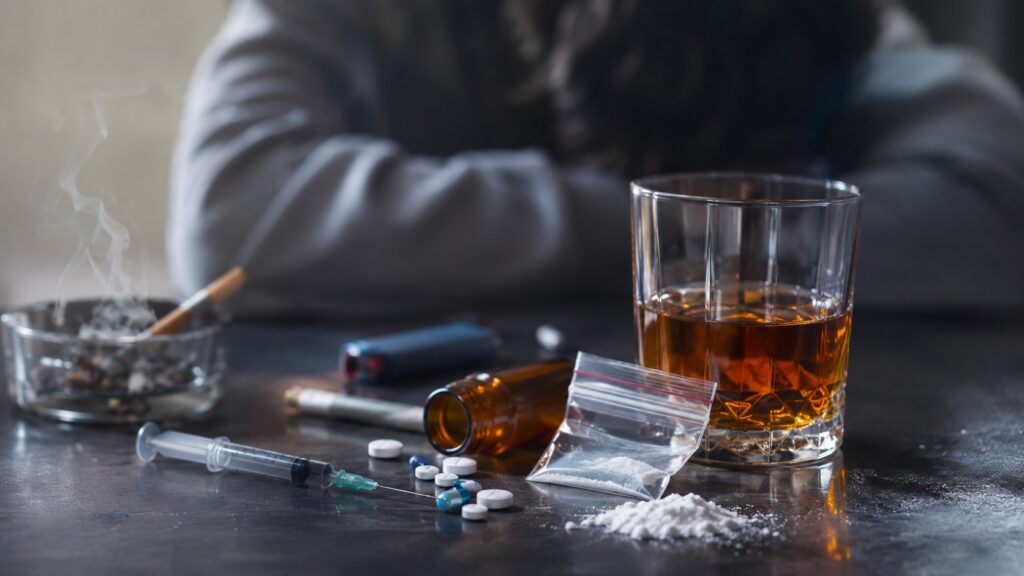
Understanding the signs can assist the person in getting timely help before the problem becomes more serious.
Common signs are:
- The use of several drugs to feel a particular effect.
- Constant use of alcohol and prescription or recreational drugs.
- Using larger doses to get the same effect.
- Experiencing withdrawal symptoms because of the lack of substances.
- Not being able to control or limit the use of substances.
- Neglecting job, family life, and personal affairs.
- Mood swings or memory problems of unknown origin.
- Continuing to take substances despite all negative outcomes.
Each person has different signs and symptoms. Some symptoms can also be connected with other diseases and disorders; that is why a professional diagnosis is required.
Emergency warning: In case of unconsciousness, inability to wake the person up, slow or irregular breathing, seizures, or overdose symptoms, the emergency services must be called right away. Don’t leave the person alone! In case of potential opioid poisoning, give naloxone and wait for instructions from the emergency team.
How Is Polysubstance Use Treated?
A patient who wants to recover from polysubstance use disorder needs a multidisciplinary treatment program involving all the substances the patient is addicted to, as well as the individual’s physical and psychological conditions.
The following treatment programs are common:
1. Medical Detoxification: Physicians monitor withdrawal symptoms and take necessary actions to make the process of detoxification as easy as possible. It is dangerous to withdraw from alcohol and medications, so it is crucial to receive proper medical assistance.
2. Residential Programs: Some patients need to be treated in special facilities where it would be possible for them to concentrate on treatment without the interference of external factors.
3. Behavioral Treatments: There are techniques such as individual and group therapy, along with other evidence-based treatments, which will help an individual realize the reasons behind substance abuse and learn coping skills.
4. Medications: In some cases, the use of particular medications might be quite helpful.
5. Recovery Programs: Counseling sessions and relapse prevention strategies should be provided after treatment.
It is necessary to mention that everyone who experiences problems with polysubstance abuse should receive personalized treatment, since it might be quite dangerous to stop using some of the drugs simultaneously, including alcohol, benzos, and prescription drugs.
Conclusion
Polysubstance abuse is a severe problem nowadays, which can lead to many negative health outcomes. The information provided above concerning this issue can help people avoid dangerous consequences. However, there is still some hope since appropriate treatment and rehabilitation can change everything for the better.
If you or your family member struggles with substance abuse, you should definitely get professional assistance. At Harbor Detox, everyone will be able to get personalized addiction treatment, medical detoxification, and residential inpatient care. This facility uses a holistic approach aimed at building a foundation of recovery.
Contact Harbor Detox to learn more about the treatment options it provides.
Contact Details
Company Name: Harbor Detox
Phone: (888) 793-8002
Email ID: info@harbordetox.com
Address: 24832 La Paz Ave, Suite A, Dana Point, CA 92629, USA
FAQs
How to understand the definition of polysubstance use?
It means that two or more substances, like alcohol, prescription medications, and drugs, are taken simultaneously or consecutively. It can be done both on purpose and accidentally and involves a higher risk of negative interactions between drugs or even overdose.
Is it dangerous to take alcohol along with medications?
Yes, it is. In some cases, alcohol can intensify the negative side effects of prescription medications, and mixing alcohol with opioids, benzodiazepines, or sleep medications can cause severe drowsiness, breathing difficulties, loss of consciousness, and even fatal overdose.
Can polysubstance use cause addiction?
Yes. The repeated use of many substances can lead to dependency and substance use disorders. Some people have problems with the abuse of several different substances, which makes professional evaluation and treatment necessary.
What is the most popular drug combination in polysubstance use?
Popular combinations consist of alcohol and prescription drugs, opioids and benzodiazepines, stimulants and depressants, and other recreational substances. However, there is no such combination of substances that could be called safe.
Is it possible to recover from polysubstance use disorder?
Certainly. There is a chance of recovery with proper medical care and behavioral therapy. Treatment is customized based on the drugs abused, risks of the withdrawal process, and the patient’s health conditions.
When should someone seek professional treatment for polysubstance use?
Someone needs professional help in case of inability to control drug intake, withdrawal symptoms, mixing drugs, or having health issues, problems in personal life, and other negative consequences due to the use of substances. In case of suspected overdose, one should contact the specialists right away.