

Medically reviewed by: Dr. Peter Scheid, Medical Director
If you or a loved one are trying to stop using opioids, you’ve probably experienced how noisily craving the drug rings. It’s not mental weakness – it’s the body returning to its old system. This is why many people turn to finding a medication-assisted rehab in Orange County or a MAT treatment in Orange County that will truly take the edge off the physical fight. But does it really work, and isn’t it just replacing one addiction with another? Those are valid questions, and you have a right to clear, direct answers. Here, we walk through how a medication-assisted treatment works, what it can actually do for cravings, and what to expect in the process.
Why Opioid Cravings Feel So Intense in Early Recovery
Opioids bind to certain receptors in the brain that handle pain, pleasure, and stress. The brain adjusts to the continued presence of the drug over time, and begins to rely on it, and produces less of its own chemicals that make you feel good.
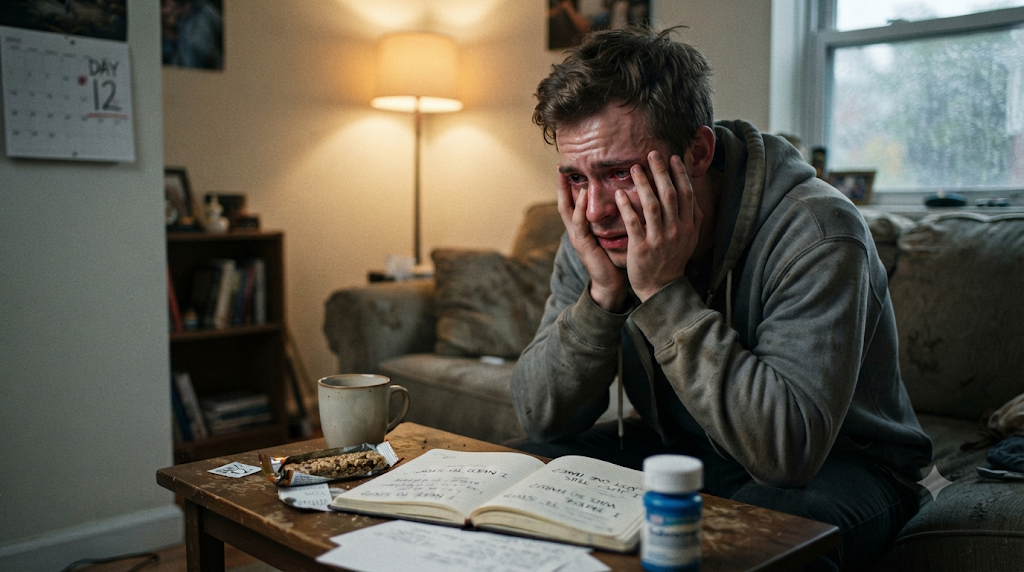
When they quit, the brain and body are out of whack. Withdrawal causes aches, nausea, fear, sleeplessness, and production of perspiration. There’s a mental craving as well: A stressful situation, a hated spot, or even a sort of random thought will generate an urge that seems like it’s unconquerable. It’s the time when most of us relapse, not out of apathy, but because the brain is begging.
How Medication-Assisted Treatment Actually Works
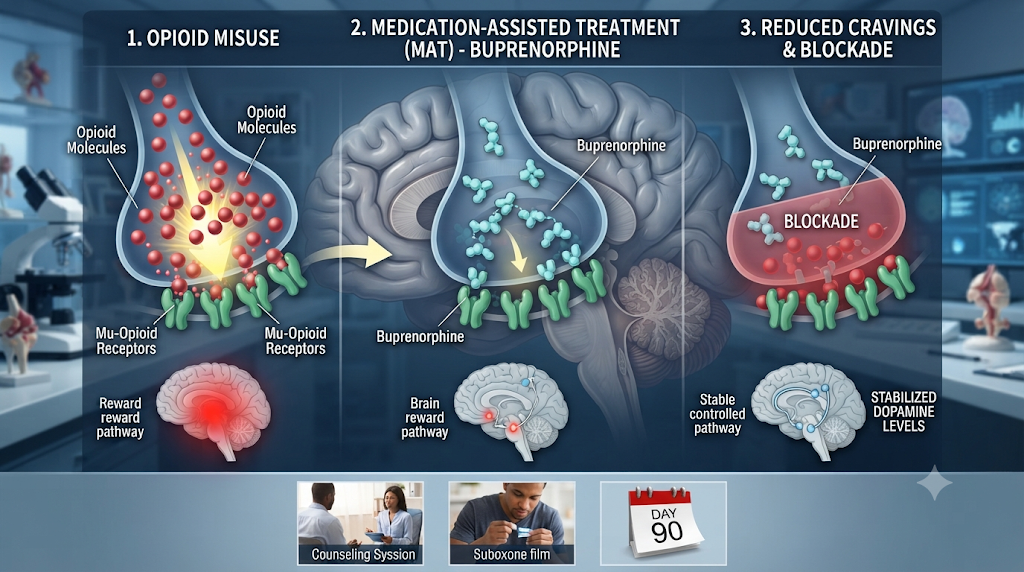
Medication-assisted treatment combines the use of medications that are approved by the Food and Drug Administration (FDA) to treat addiction with behavioral therapy and counseling. These medications don’t “cure” addiction, but they help reverse or prevent the brain chemistry that underlies cravings and withdrawal. The three most common types of medication-assisted treatment are:
- Buprenorphine: A type of partial opioid agonist-causes a mild activation of the receptor, less than the body’s own natural endorphins or opiates. It satisfies an opiate craving, but doesn’t get the person high.
- Methadone: A full agonist that is long-acting, only available through approved clinics, and that will suppress withdrawal symptoms and normalize the brain.
- Naltrexone: An antagonist that prevents other drugs from binding to opioid sites so opioids can’t work. Use after detox.
Each works differently, and which one you use will depend on your history, your health and what you want to achieve. Your provider should help you choose between them.
Can MAT Really Reduce Opioid Cravings? What the Evidence Shows
Yes, overall, absolutely. Leading health authorities, such as the National Institute on Drug Abuse and the Substance Abuse and Mental Health Services Administration, list medication-assisted treatment as one of the most effective forms of treatment for this disorder. Studies show it’s associated with less illegal drug use, decreased likelihood of overdose, higher retention rates in treatment, and overall greater functioning.
With the addiction cravings dialed back down, the brain is free to make rational decisions. They are better able to sleep, talk, arrive on time, and do the work of their treatment. That matters. It’s hard to process trauma and develop new coping mechanisms when your nervous system is stuck in threat mode.
Be realistic too. Medication isn’t a cure for all cravings and it’s not a panacea. Some days you’ll still face challenges. But the cravings are much more manageable than they were before – and that can make all the difference to your recovery.
Is MAT Just Trading One Addiction for Another?
This is likely the number one worry and a misunderstanding. The idea of addiction is to use despite the damage, without control, and have your life be the drug. MAT medications are intended to bring you the opposite of this: to make you well so you can put your life back together.
This is no different than insulin for diabetes or medication for hypertension. No one will ever say a person with diabetes is “addicted” to insulin, because the medication is used to treat a chronic disease so that they can live. Physical dependence on a prescribed medication is not the same as addiction, and many MAT patients are able to return to work, restore relationships, and care for their families.
Why Medication Works Best Alongside Therapy and Support
Medication treats the physical side, but there are also emotional, social and behavioral aspects to addiction. The most successful results happen when MAT is combined with:
- Counseling at the individual level to help determine how to recognize trigger situations and develop better coping skills.
- Group therapy or peer connection and accountability
- Managing co-occurring anxiety, depression or PTSD
- Relapse prevention planning and aftercare support
Medication provides you with stability. Therapy provides you with tools. Together they heal the mind, body, and soul in its totality.
What to Expect When Starting MAT in a Treatment Setting
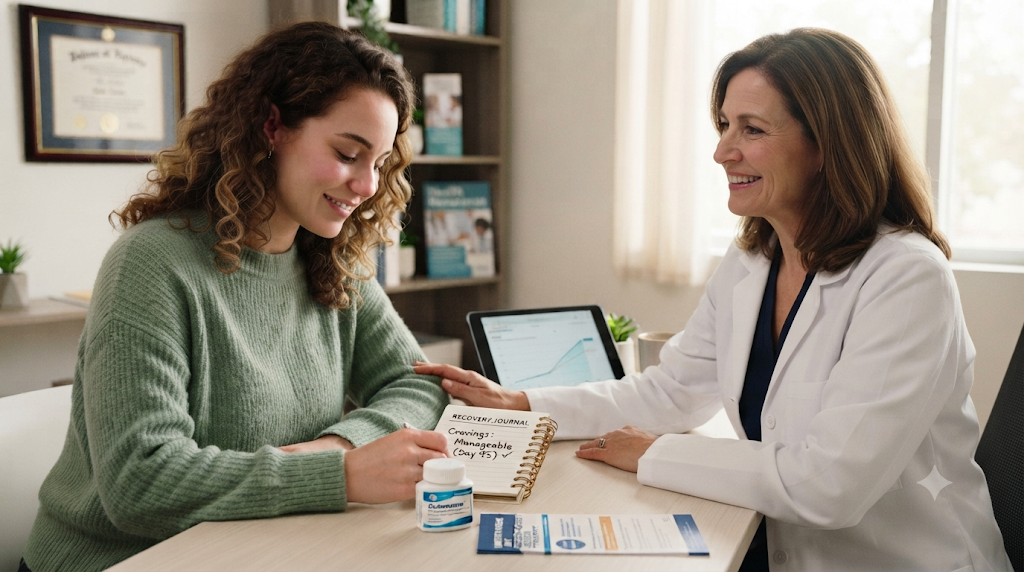
Getting started on MAT generally involves a visit with a provider. The provider will take your substance use history and health information, take into account other medications you may be taking and determine other mental health needs. Timing is especially critical with some medications, such as buprenorphine.
Post-start, you’ll be seen regularly for review, to check how you’re feeling, make any required adjustments to your program and keep in touch with your counselor. The duration of medication in an individual will depend on the person. Some people will take their medication for several months, others for several years. The goal should be decided in conjunction with your team, not by yourself.
Be honest with your providers. Your provider can do a better job of helping you when they know if you experience cravings or side effects or you’re just not functioning well. No judgments about needing to change.
Taking the Next Step Toward Recovery
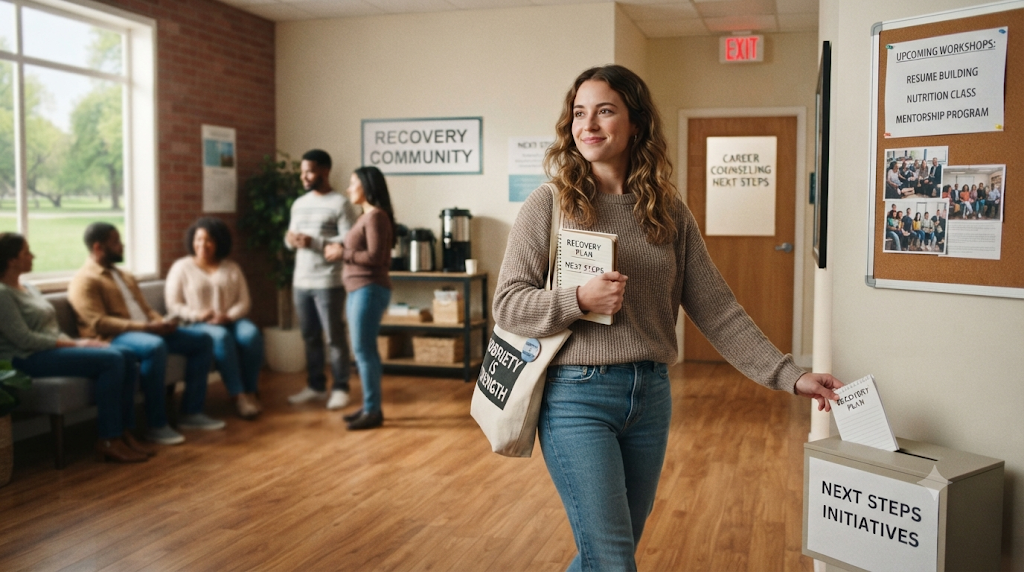
Those intense, overwhelming cravings for opioids come from your brain-and they can feel impossible to beat. But you don’t have to let them determine the rest of your life. When used in conjunction with counseling and ongoing support, medication-assisted treatment can be incredibly effective and help you regain the stability to plan for the future. If you’re ready to take the first step, Harbor Detox is here to help. Call us today.
Contact Details
- Company Name: Harbor Detox
- Phone: (888) 793-8002
- Email ID: info@harbordetox.com
- Address: 24832 La Paz Ave, Suite A, Dana Point, CA 92629, USA
Frequently Asked Questions About Medication-Assisted Treatment
Will I feel “high” or sedated while taking MAT medication?
Not if the dose is correct. The point of MAT is that you should be functioning normally, not that you should be feeling “drugged up.” When your provider finds the right dose, the majority of patients feel clear-headed and in control. Side effects may include drowsiness, nausea, or vomiting – and that should go away in a few days. Call your provider if anything doesn’t seem right.
How quickly will my cravings start to go down?
It varies based on the drug and your body. For some, the effects start very quickly (a couple of days or less), notably to diminish withdrawal symptoms. But you may find that cravings take longer to die down, and it takes a few weeks to get to the optimal dose. Be patient with the process and communicate with your provider.
Do I have to stay on medication forever?
Not always. There is no ‘standard’ length of time. While some stay on the medication for only a few months, many others remain on it for years because it allows them to maintain stability. This is something that should always be decided in partnership with your provider, considering your own recovery journey, your contacts and your goals. Quitting ‘cold turkey’ can be dangerous.
Is MAT safe to take for a long time?
MAT drugs are safe to take long-term when used as directed and under a doctor’s supervision. You will see your provider for your medication to discuss your progress, for medical side effects, and the adjustment of your medication if needed. Tell your provider if you are taking any other medications or supplements.
Can I drink alcohol or use other substances while on MAT?
Definitely. Other drinks and drugs, especially sedatives like valium and benzodiazepines, can seriously interact with MAT medications and increase the risk of dangerous side effects, including overdose. Do you also use other substances? If you do, please tell your provider. They can design a plan that addresses all of these without any shame or blame.
What if I still get cravings while on medication?
It can happen. It doesn’t mean the treatment’s not working. Medication can lessen urges but not necessarily eliminate all temptation-particularly when you’re under stress, around triggers, or at a point in your recovery when you might still struggle. That’s the time counseling and extra support can be crucial. Reach out to your care team if you’re in this situation.